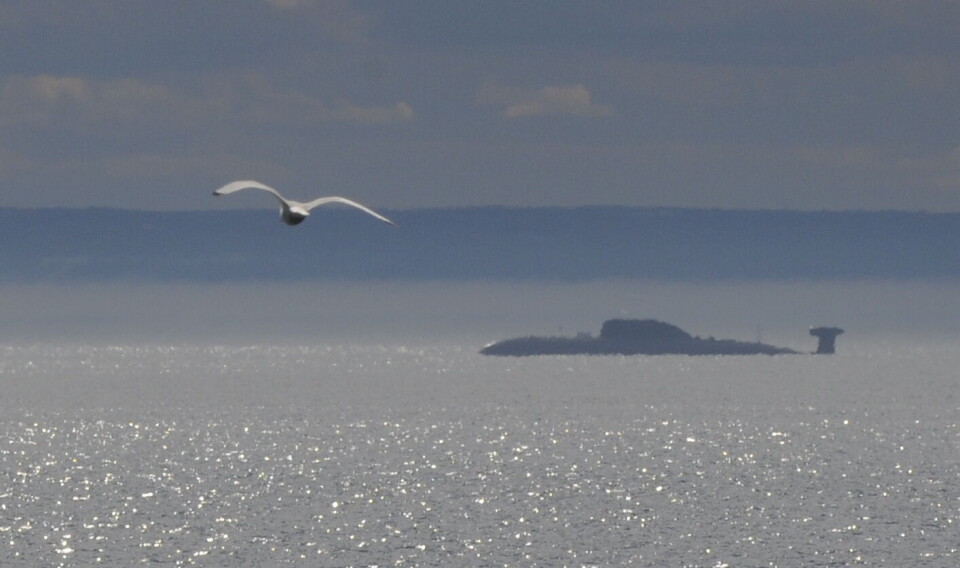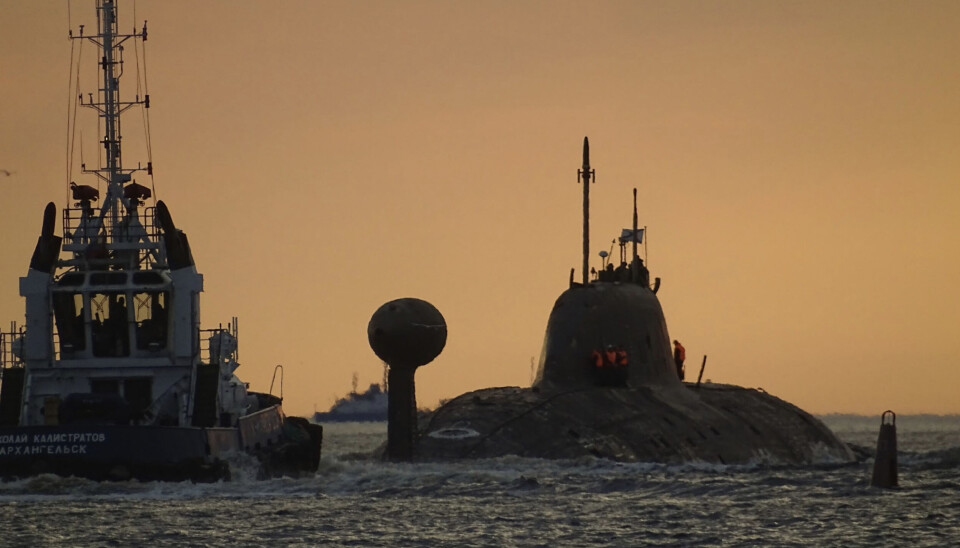
Nuclear-powered Leopard heads to sea after 15 years of modernisation
It was Zvezdochka director Nikolai Kalistratov who accepted the attack submarine Leopard for repair and extensive modernisation in 2011. Kalistratov died in 2023 and, in a poignant twist, it was a tug bearing his name that helped the submarine return to open waters 15 years later.
The Leopard (K-328) departed the shipyard in Severodvinsk for the White Sea on 8 June to begin sea trials ahead of its expected return to operational service later this year, according to the Northern Fleet newspaper Na strazhe Zapolyarya.
The submarine was laid down in 1988 and became the first Akula-class vessel to enter service after the collapse of the Soviet Union. Leopard was commissioned in December 1992, at a time when Russia's submarine fleet spent much of its time sidelined because of severe budget constraints.
In 2011, the submarine returned to Severodvinsk and entered the ship hall at the Zvezdochka yard for a mid-life overhaul, including the replacement of nuclear fuel in its reactor.
By 2017, however, the scope of the work had expanded considerably. Speaking to Rossiyskaya Gazeta, Zvezdochka's Director General Nikolai Kalistratov said the submarine would undergo extensive modernisation in addition to long-overdue repairs.
According to Kalistratov, the upgrades would bring Leopard's capabilities close to those of the fourth-generation Yasen-class multipurpose submarines.
Both the Akula and Yasen classes were designed by the Malakhit Design Bureau.
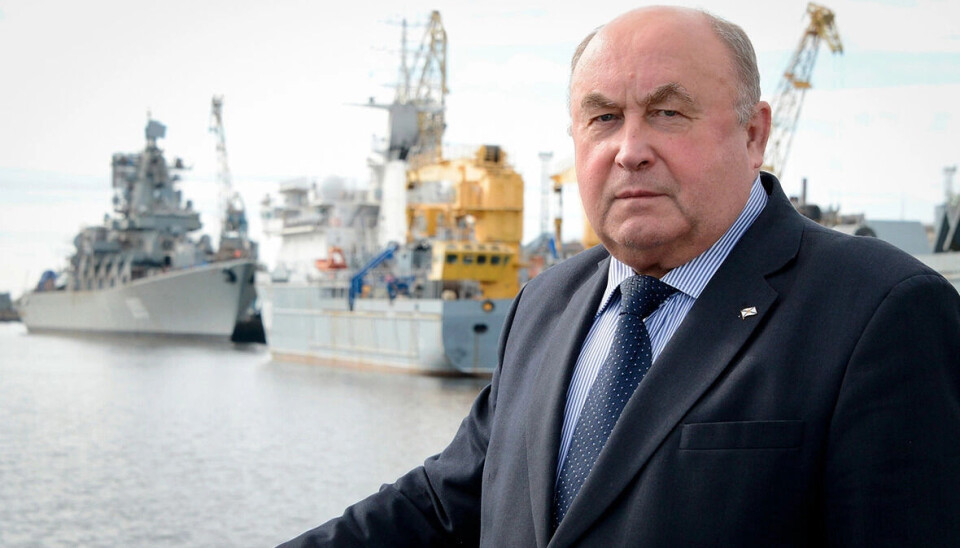
Kalistratov later retired and died in 2023.
In 2021, the Barents Observer quoted his successor, Sergey Marichev, as saying that Leopard was expected to begin sea trials in 2022. More than four years later than that forecast, the submarine has finally returned to sea after spending a decade and a half in the shipyard.
The most significant upgrades are believed to involve the submarine's weapons systems. According to Izvestia, Leopard will be equipped with modern Kalibr cruise missiles capable of striking both naval and land-based targets.
The latest versions of the Kalibr missile can carry either a conventional high-explosive warhead or a nuclear payload. In recent years, Russia's Ministry of Defence has continued to expand its inventory of nuclear-capable Kalibr missiles.
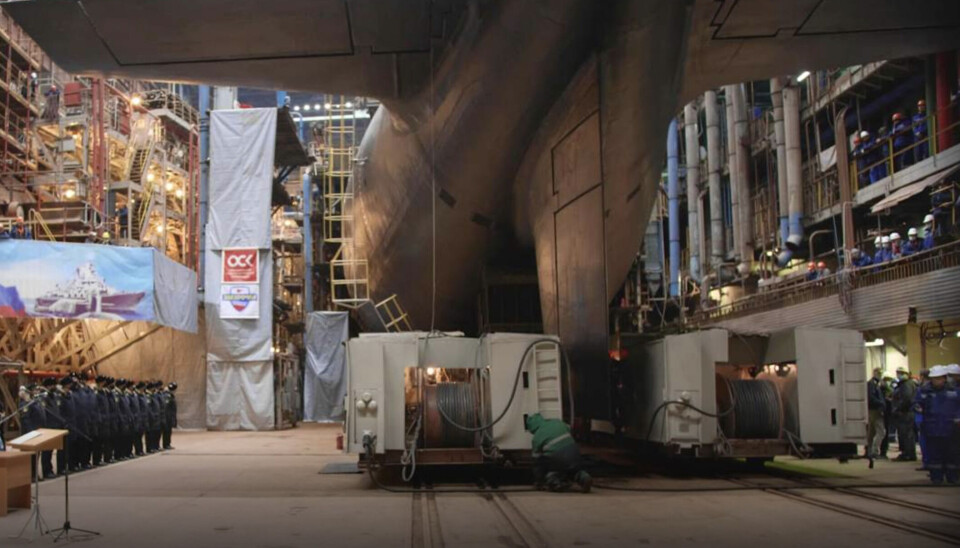
Once Leopard returns to service, the Northern Fleet will have three operational Akula-class submarines. The other two are Vepr (K-157) and Gepard (K-335). Vepr became the first modernised Akula-class submarine to return to service when it rejoined the fleet in 2020.
Two further Akula-class boats assigned to the Northern Fleet — Tigr (K-154) and Volk (K-461) — remain in long-running modernisation programmes. Both are currently expected to return to service before 2028, although previous delays suggest such timelines should be treated with caution.
Following the overhaul, the Russian Navy expects Leopard to remain in service for at least another two decades.
The Northern Fleet's Akula-class submarines are based at Gadzhiyevo, a major naval base on the coast of the Barents Sea.