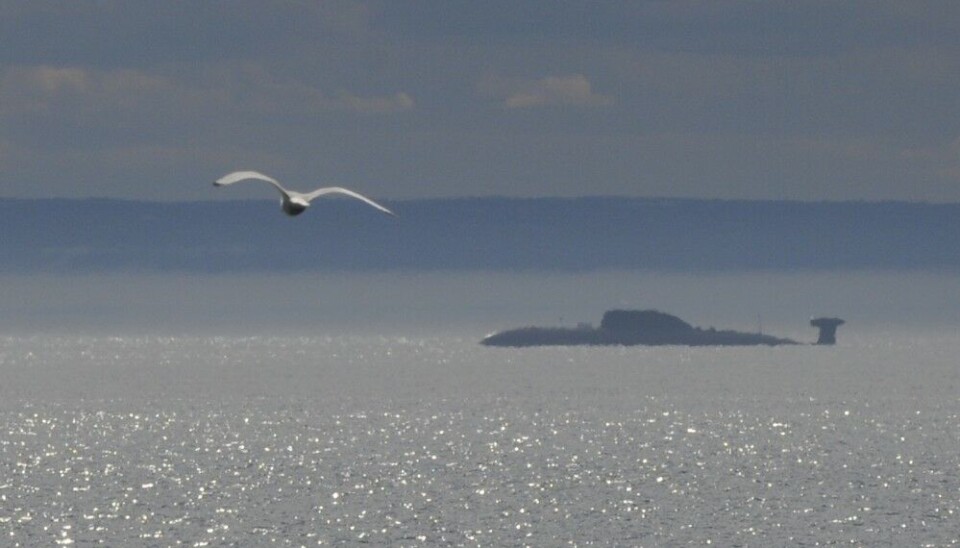
UK and Norway expose Russian operation near undersea infrastructure
While a Northern Fleet Akula-class submarine sailed out from the Kola Peninsula as a diversion, other Russian naval units from the Main Directorate of Deep Sea Research (GUGI) began a covert operation, conducting suspicious activity around critical undersea infrastructure in Norwegian and British maritime areas.

Defence Secretary John Healey said that the Russian Akula-class attack submarine, along with two intelligence-gathering submarines, was tracked by UK and Norwegian naval forces north of the United Kingdom during an operation lasting more than a month.
Russia’s attempt to carry out “nefarious activity over critical undersea infrastructure” was ultimately thwarted, and the vessels withdrew.
Addressing Vladimir Putin, Healey said:
To Putin, I say this: we see you, we see your activity around our underwater infrastructure. You should understand that any attempt to damage it will not be tolerated and would have serious consequences.”
The Russian operation is believed to have been aimed at mapping subsea fibre-optic cables, although the precise location of the activity has not been disclosed.
The drama in recent weeks happened as worldwide attention focused on Iran and the Middle East.
"While the eyes of many – understandably – were on the Middle East, our British Armed Forces were simultaneously responding to rising Russian threats north of the UK," Healey said.
Both Norway and the United Kingdom deployed frigates, other warships, helicopters, and P-8 Poseidon maritime aircraft to track and deter the Russian navy operation.

The Akula-class submarine has since returned to the Northern Fleet’s home base on the Kola Peninsula.
The British Government stated that GUGI is a long-standing Russian military programme designed to develop capabilities deployable from specialised surface vessels and submarines. These assets are intended to survey underwater infrastructure during peacetime and potentially damage or destroy it in the event of conflict.
The Barents Observer was among the first media outlets to report on the secret base in Olenya Bay, north of Murmansk, from which GUGI’s specialised operations are conducted. The facility, located on the Barents Sea coast, lies approximately 100 kilometres from Russia’s northern border with Norway.
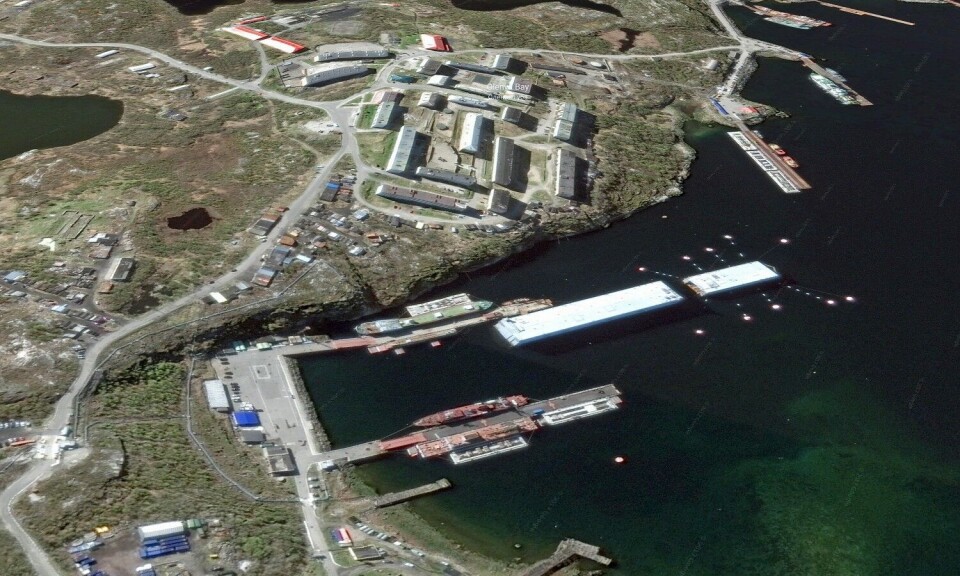
Norway’s Ministry of Defence said in a statement that Russia is engaged in “ongoing efforts to develop capabilities for mapping — and potentially sabotaging — Western critical infrastructure at significant depths”.
Defence Minister Tore O. Sandvik stated that these efforts are driven by ambitions to threaten the interests of Norway and its allies.
Norway has participated in a co-ordinated military operation with our allies to send a clear message: covert activities in our waters will not be tolerated,” Sandvik said.
“We have made it unequivocally clear to the Russian authorities that any attempt to target our critical infrastructure will be detected and met with consequences. It is in no one’s interest to escalate tensions in the High North,” he added.