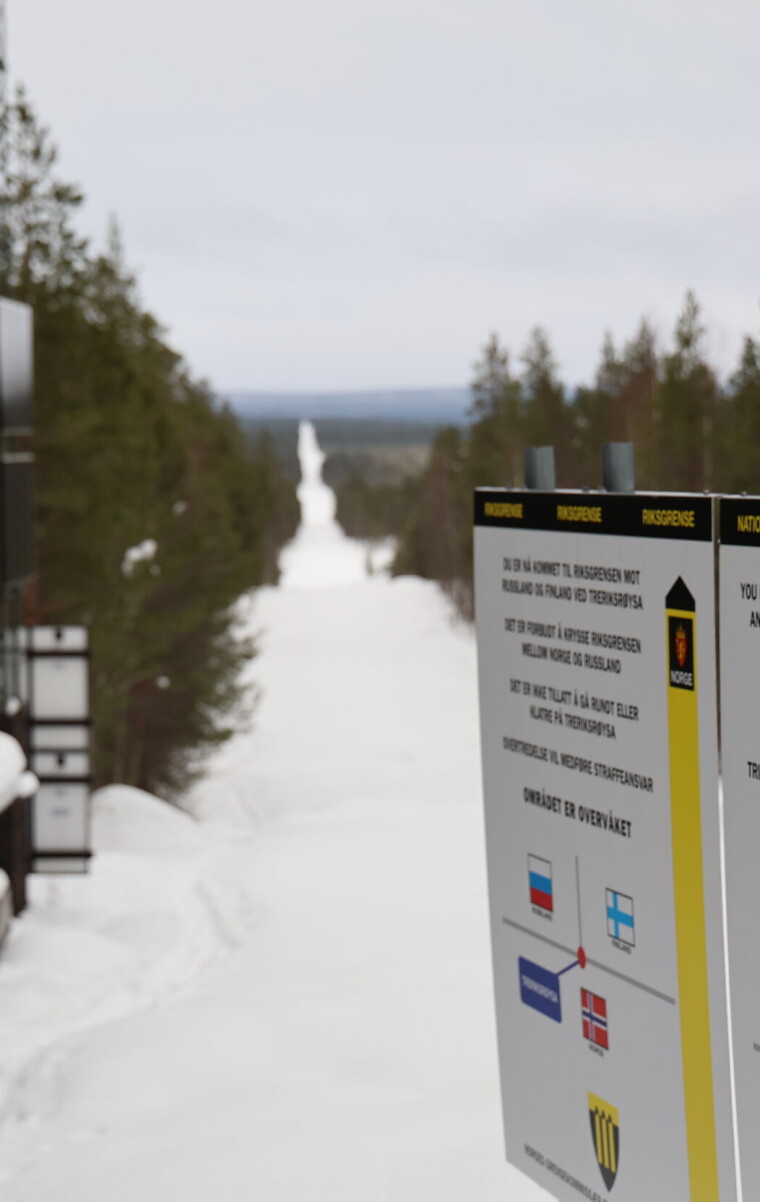
After Norway’s 198-kilometre-long land border with Russia, this is where Finland takes over.

The northernmost border post is marked with a cairn, separating the three countries.

What follows is 1,340 kilometres of the Finnish-Russian border.
Today, that accounts for half of NATO's land border with Russia.
Three years of patrolling NATO's eastern border

The Barents Observer has travelled from the northernmost to the southernmost part of Finland's border with Russia. We publish this article on the third anniversary of Finland's accession to NATO.
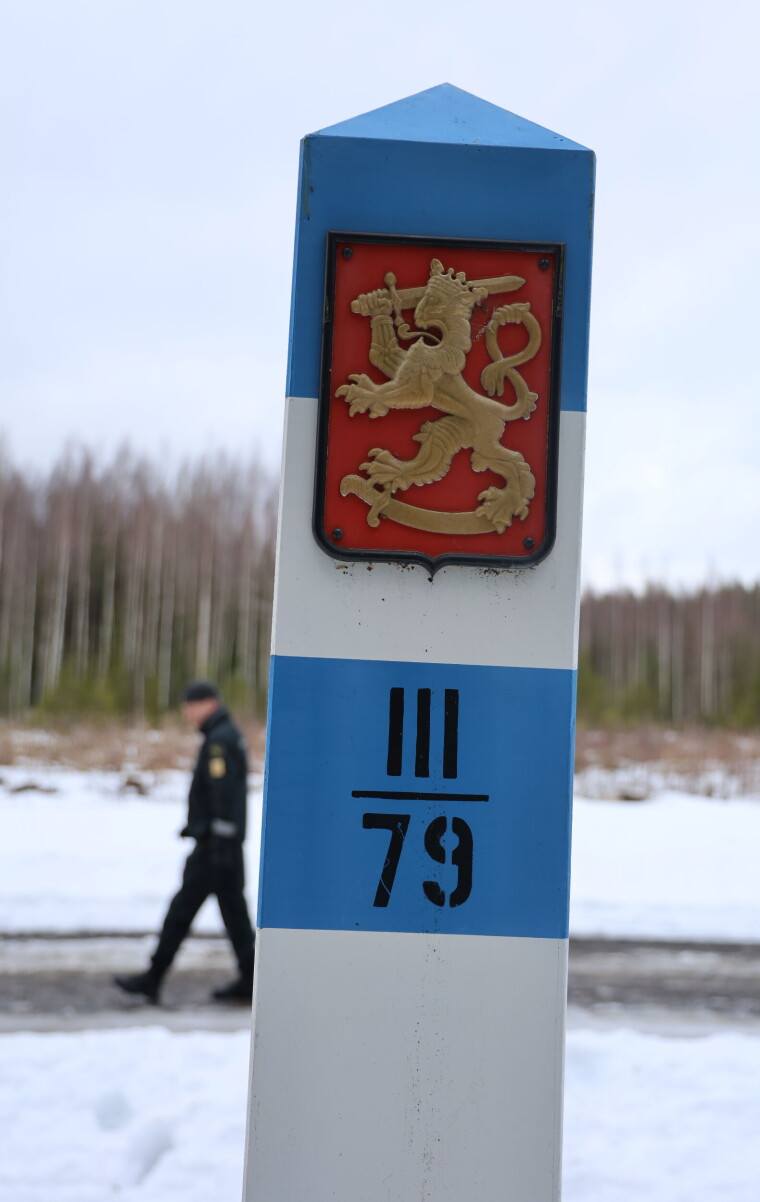
It all begins at 69 degrees north. One third of the Three-Country Cairn — where three time zones meet — belongs to Finland. From this point, blue and white border poles stretch all the way down to the Baltic Sea at 60 degrees north. Opposite each Finnish pole stands a corresponding one, painted red and green. Between them runs the precise borderline separating Finland and Russia, often referred to colloquially as the boundary between East and West.
The Lapland Border Guard District oversees the first 380 kilometres.
Finland’s border guard, the Rajavartiolaitos, is divided into six districts in total. Four of these are responsible for patrolling the eastern border. South of Lapland lie the Kainuu, North Karelia, and Southeast Finland Border Guard Districts.
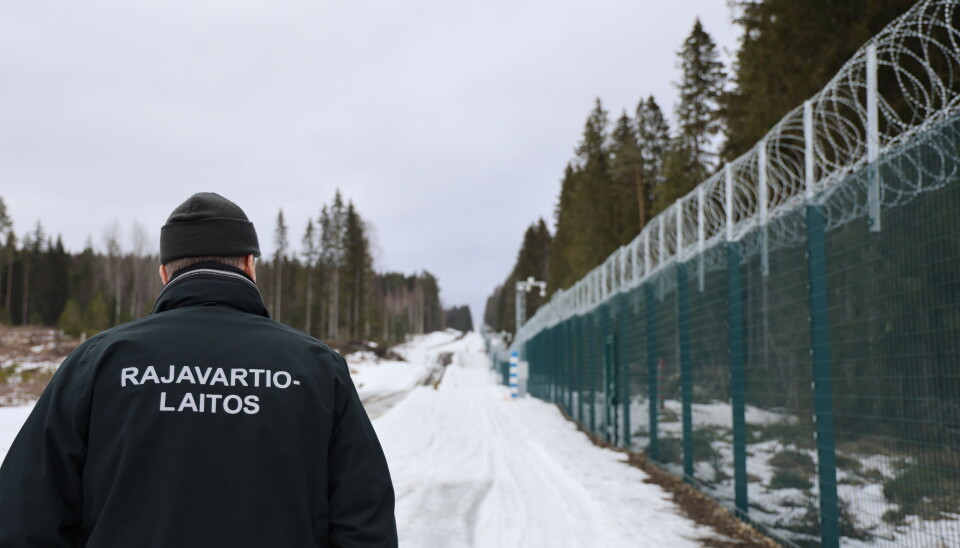
The Rajavartiolaitos patrols Finland’s front line, with particular focus on the eastern border. On 4 April 2023, that line also became part of NATO’s extended border with Russia. Despite Finland’s shift in position within Europe three years ago, the mission along the border remains largely unchanged: surveillance, safeguarding territorial integrity, and maintaining defence readiness.
However, significant changes have taken place across Finland’s border regions since joining NATO. Following a sharp rise in migration in 2023, the Finnish government decided later that year to close all eastern border crossing points. The complete halt in traffic was driven by concerns over instrumentalised migration. As of today, the crossings remain closed until further notice. At the same time, the government is well underway with the construction of a 200-kilometre-long barrier fence along sections of the border.
The mission at the border continues — but what challenges does it face today?
Readiness in the North
Two of Finland’s nine border crossing points with Russia are located in Lapland. Road connections are far denser in the south, while Lapland remains sparsely populated and remote. Despite this, cross-border movement has long been part of everyday life. These two crossings have connected families and businesses and, for many, provided access to cheaper fuel.
Raja-Jooseppi and Salla were the last crossing points to close. The decision was taken by the Finnish Government during an extraordinary session on 28 November 2023. Two days later, Raja-Jooseppi was closed to traffic, marking the final step in the complete closure of Finland’s eastern border.
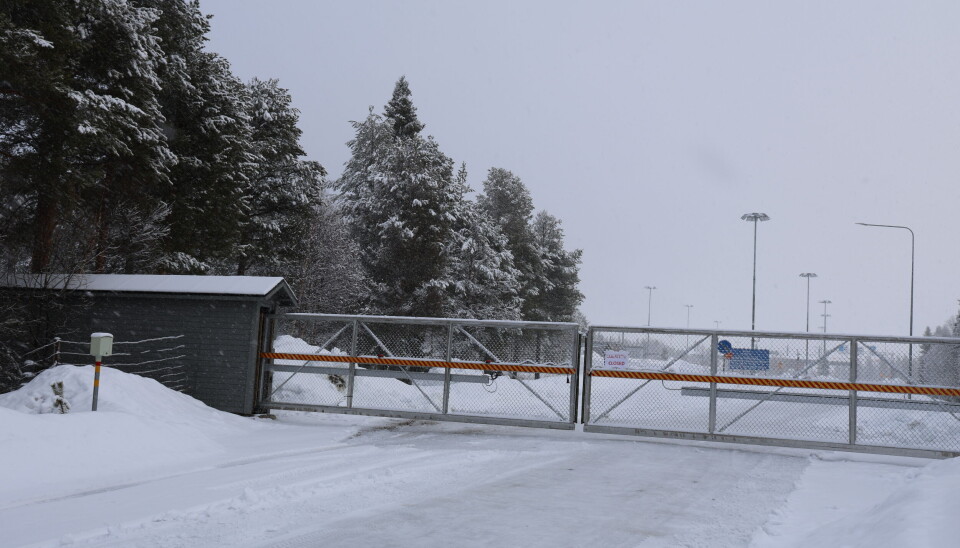
As with previous closures, it was argued that the measures were necessary to protect Finland’s national security against Russia’s instrumentalised migration. The phenomenon had moved northwards, into the cold Arctic conditions — a pattern that, according to Mikko Kauppila, Deputy Commander of the Lapland Border Guard District, had been anticipated.
"It was assessed as a possible scenario, and that threat did indeed materialise. We were ready."
Speaking to the Barents Observer at the district’s headquarters in Rovaniemi, he explained how the closure had an immediate effect:
"It has stabilised the situation at the eastern border. The Finnish Border Guard considers it likely that illegal instrumentalised migration from Russia to Finland would resume if the border crossing points were reopened," he said.
His assessment is informed by experience. For a brief period, two southern crossing points, Niirala and Vaalimaa, were reopened, but were closed again shortly afterwards as the phenomenon persisted. On the first morning of reopening, 29 people crossed the border illegally into Finland. Since 15 December 2023, no traffic has passed through any of Finland’s eastern border points, and migration from the east has largely come to a standstill.
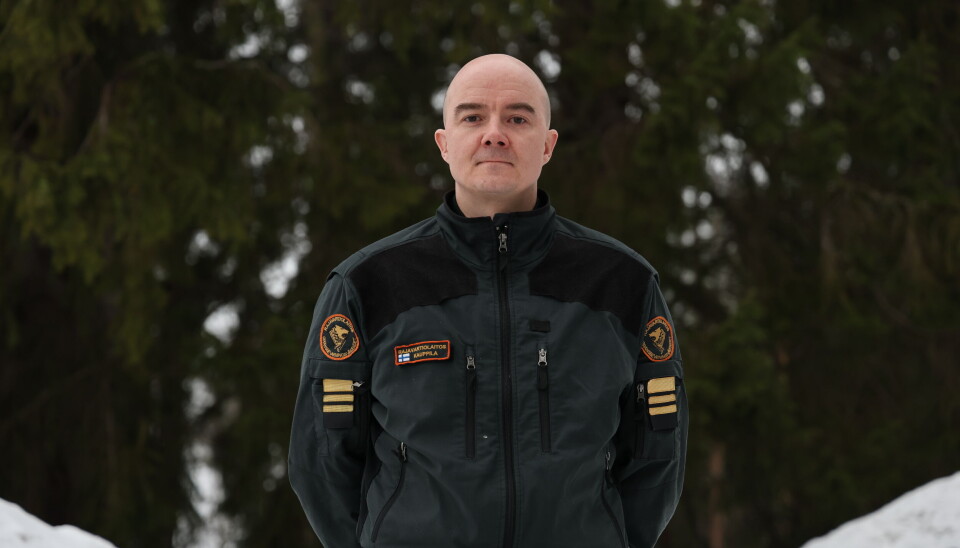
"Why is instrumentalised migration dangerous for Finland?"
"It is a form of hybrid operation or action aimed at influencing Finland. Such actions can seriously threaten Finland’s sovereignty and national security," Kauppila explains.
Awareness of the ongoing migration threat remains high across all border guard districts. There is also a risk of potential crossings through areas outside official border points. Alongside the closures, the Finnish Government launched a pilot project to construct a three-kilometre barrier fence in the southeast. The project was deemed successful, and the government later decided to extend the fence by approximately 197 kilometres, spanning the four eastern border guard districts.
This includes Lapland. Kauppila cannot disclose the exact route of the fence in his district but stresses that its placement was carefully assessed.
"It is built in the areas where illegal crossings are most likely to occur," he says.


Can the fence make the route into Finland longer and more dangerous for refugees, if some attempt to cross the border anyway?
"Yes, it can, but the main purpose is to prevent instrumentalised illegal migration as well as other unlawful border crossings. In addition, the fence is necessary to enforce the temporary legislation aimed at preventing such instrumentalised migration," Kauppila explains.
Beyond blocking illegal crossings, the fence provides additional benefits, according to the deputy commander:
"The technical surveillance system integrated with the fence enhances our situational awareness along the border. The road being constructed alongside the fence also enables our patrols to move more efficiently," he adds, emphasising that the fence strengthens the Border Guard District’s ability to monitor the first 380 kilometres of the Finnish-Russian border.
The district also maintains a visible presence along the northern and western borders.
"The Lapland Border Guard District covers an area bordering three countries: Russia, Norway, and Sweden. The border with Russia remains our primary focus," he says, highlighting the district’s role as a northern defence unit:
"NATO membership has increased military activity in Lapland due to the growing strategic importance of the Arctic. This includes exercises, as well as other forms of cooperation in national defence."
"How has your role changed since Finland joined NATO?"
"You could say that everything has changed, yet nothing has changed," he begins, before elaborating:
"As a full member of the alliance, we have broader shoulders in many ways, but Finland remains responsible for guarding its own borders. The Finnish Border Guard is the authority tasked with executing these border security duties, including monitoring and ensuring territorial integrity. Our responsibilities have not changed."
"We continue to work closely with the Finnish Defence Forces, and we remain committed to the mutual defence of Finland and NATO," Kauppila adds.
Just 60 kilometres from the district’s headquarters in Rovaniemi, NATO allies recently conducted an exercise simulating a potential defence scenario in the north.
NATO Allies close to the border
The Finnish Border Guard operates independently of the Finnish Defence Forces and falls under the Ministry of the Interior. In the event of an attack, however, it would assume a key role as part of Finland’s defence.
The two authorities regularly train together and participate in joint military exercises. One such exercise, Cold Response, was held from 9 to 19 March 2026. Border Guard conscripts had departed from Rovajärvi firing range the day before the Barents Observer arrived at the exercise site on 17 March.
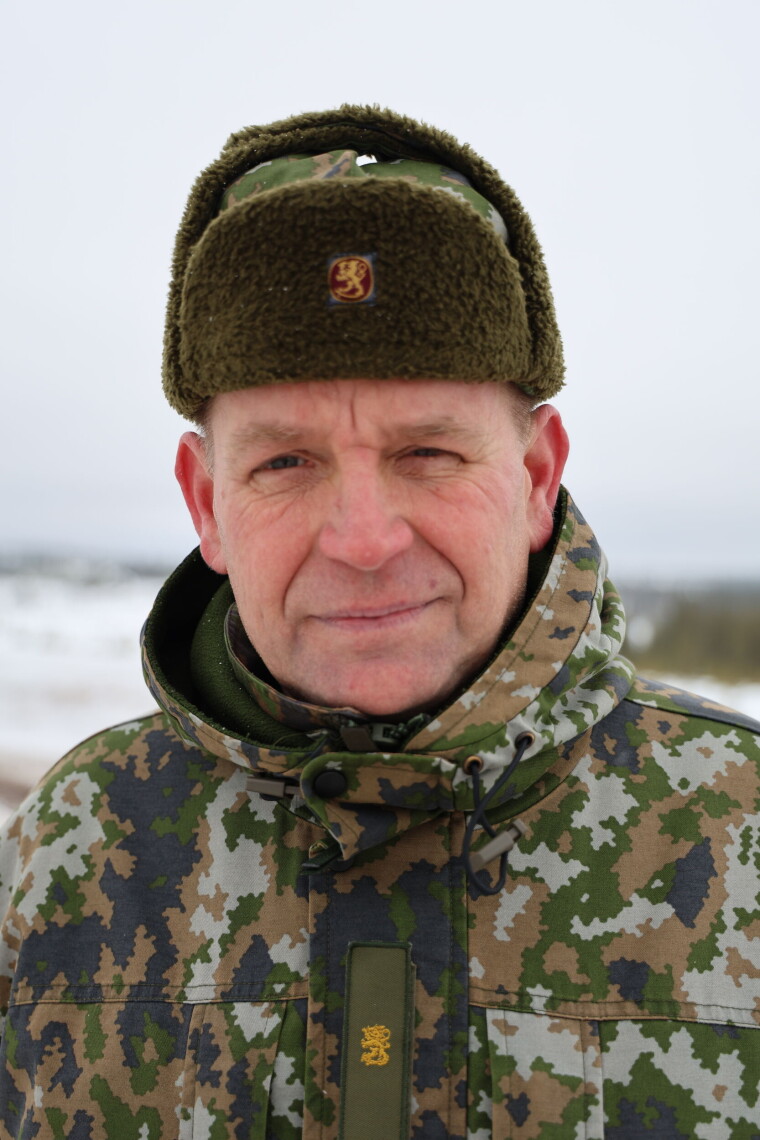
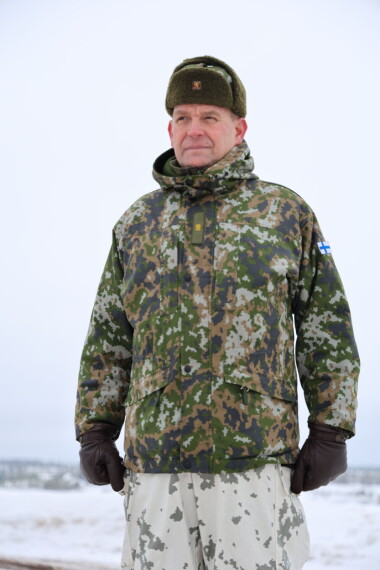
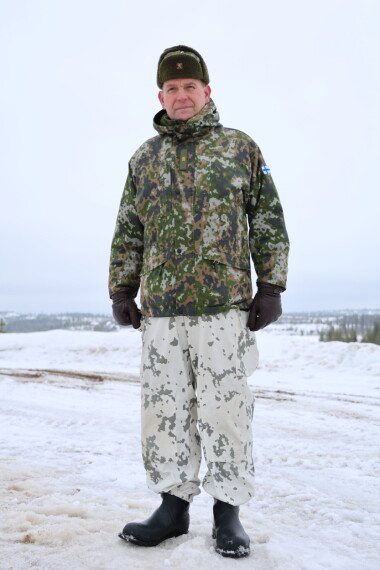
Brigadier General Manu Tuominen of the Finnish Defence Forces emphasises the importance of this cooperation, as well as Finland’s role within NATO as an Arctic nation sharing a long border with Russia.
"The border guards in Finland are military-trained and play a major role in this exercise, alongside their conscripts. They were in this very area, but I believe they left yesterday. Their mission is complete," Tuominen says.
"How is Cold Response different with Finland as a NATO member?"
"It is my third time as an exercise director for the Finnish troops participating in Cold Response. Earlier on, we used to be a part of the red forces. Now Finland and Sweden are a part of the blue side. We are shoulder to shoulder, conducting NATO tasks and defence tasks instead of simulating the aggressor."
"What knowledge has Finland, with the Lapland conditions, brought into the NATO alliance?"
“Lapland is a peculiar specific operation area in terms of the climate. It can be very harsh. Snow and road conditions can change quickly. It is also a very demanding environment in terms of light because we are above the Arctic Circle. In the wintertime the nights are long and days are short. We have brought expertise for those troops that exercise here on how to operate in these harsh conditions. You have to be able to manoeuvre and operate in the wilderness.”


"What knowledge has your border with Russia brought into the NATO alliance?"
"I think we've been able to showcase the Finnish border guard function, techniques, proper patrolling of the border and even technical measures," he states before highlighting an important detail to remember regarding the neighbour relationship:
"The border between Finland and Russia has been calm."
How calm, exactly?
Easy life at a tense border
While NATO allies conduct exercises simulating a potential attack at the Rovajärvi firing range, calmer surroundings emerge as you leave the practice area. A key part of the exercise involves troop movements toward Norway’s western coast, leaving eastern Finland quiet, empty, and without military activity. According to local voices, these quiet surroundings are not an exception, but a permanent state.
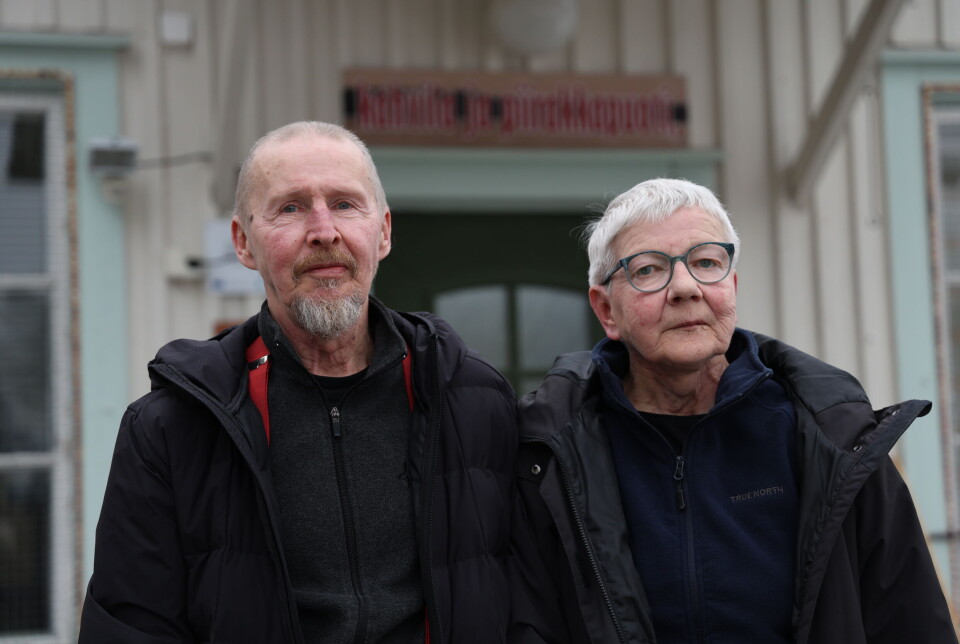
There are political tensions at the border, but nothing that significantly disrupts everyday life, according to Ejja and Matti Pesonen. The married couple has lived in the small village of Lentiira for some years, trading hectic city life for a calmer pace. For them, being just 20 minutes from Russia is the perfect location.
The drive to the Vartius border crossing point is short. Since its closure, only one change has noticeably affected their daily routine.
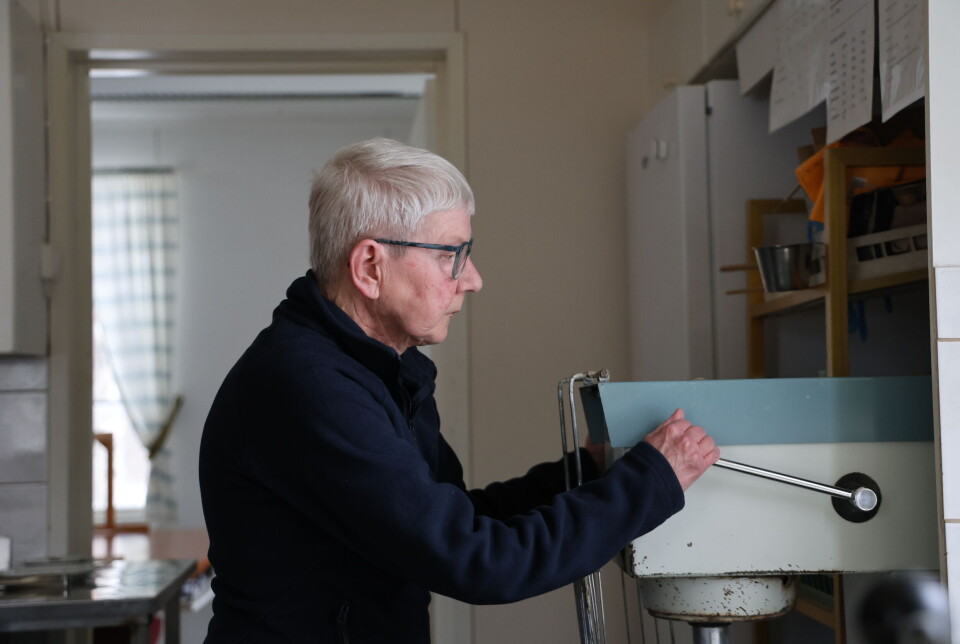
“Now I have to drive forty minutes to fuel my car instead of twenty. Fuel is also more expensive on this side of the border,” Matti says over the phone, before welcoming the Barents Observer into the café he and his wife run in Lentiira.
The village is inhabited by under two hundred people and is influenced by its proximity to Russia. Both Ejja and Matti are Finnish, but connections with the Russian city Kostomuksja, have brought many Russian people to the Finnish side of the border. Matti himself, worked in Finland's Defence Force before retirement and Ejja was a stay-at-home mother before working as a cook. They lived and worked in the city of Rovaniemi, among others. Now that they live in Lentiira, the closest city is on the other side of the border.
"Many Finns from this village have worked in Kostomuksja on the other side of the border, since it is the closest city. Especially men worked there for some years and came back with Russian wives," Matti says.
Other than language barriers, the neighbour relationship has never caused any problems. Of course, there are stories that have interrupted the peaceful border life, but few. Ejja recall one episode from 2022, when global tensions affected local life.
"My cousin is married to a Russian woman. While they were shopping in Kajaani, someone poured blood over their car because it was registered in Russia," she tells.
"What was her reaction?"
"She was horrified and a little bit afraid. I don’t understand those kind of things at all. Ordinary Russians haven’t done anything bad to anyone. They want to live their life normally," she says.
"Has the mentality towards Russians changed here over the last years?"
"No, no, no. I think our relationship is the same as it always has been. But we don’t discuss the situation, so I don’t know what they really think," Matti says.
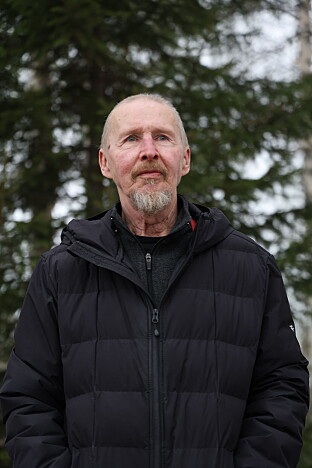
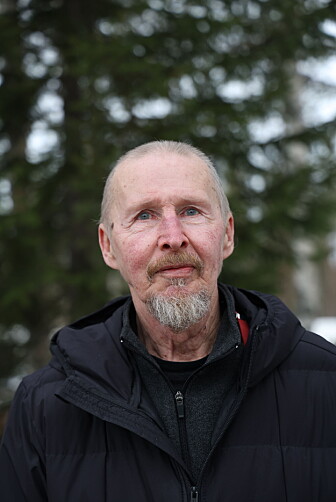
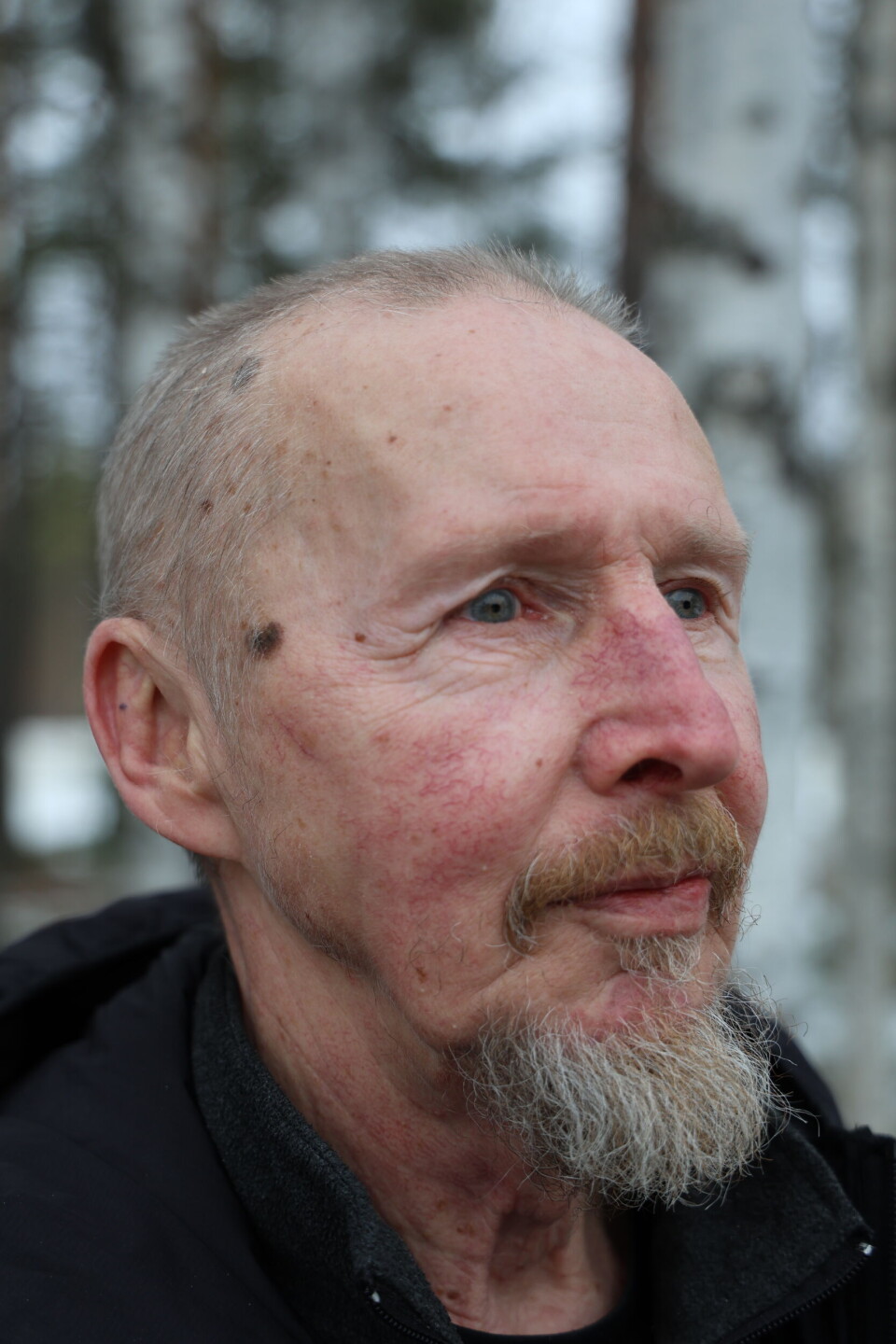
Locally, there are few signs of tensions. But Matti has no problem understanding why the Finnish Government decided to close the Vartius border crossing point and the rest of the eastern border. The sudden increased migration was distinct. An unexpected problem emerged in the village.
"A large amount of asylum seekers crossed the border with bikes. We had 80 bikes laying around here because they were thrown away after the crossing. Children's bikes are cheaper, so big men crossing the border on small bikes caught our attention," Matti says about the unusual sight.
"Do you think the border will open again in the near future?"
"That day will come. But for now, nobody knows when the war will come to an end. Until that time, nothing will happen," Matti says.
A calm life at a tense eastern border, but Finland reaches further east. How far, exactly?
Leaving the remote areas
You can divide the North Karelia Border Guard District into two distinct halves. The northern part is characterized by its remote areas with limited road networks. Its southern counterpart is more populated, with much denser road connections and infrastructure leading into Russia. This makes the area more vulnerable for illegal migration. Despite having only one official border crossing point, Niirala, the district operates three border guard stations to monitor its 304-kilometre border of responsibility.
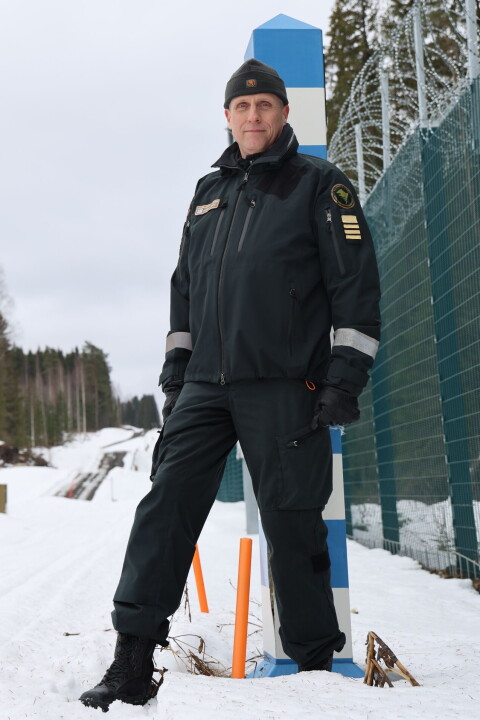
At the headquarters in Onttola, the commander of North Karelia Border Guard District, Matti Pitkäniitty, offers a geographical overview:
«This district is the easternmost border guard district in the whole of Finland. Here, our border stretches further east than both St. Petersburg and Kyiv.»
In this particular part of Finland, borders have shifted multiple times throughout history. Some Russian cities were once part of Finland, or Österland, when Finland was under Swedish rule. The last time the Finnish border changed was during the second world war.
"It was decided to draw a straight line from the Gulf of Finland to Virmajärvi," Pitkäniitty says.
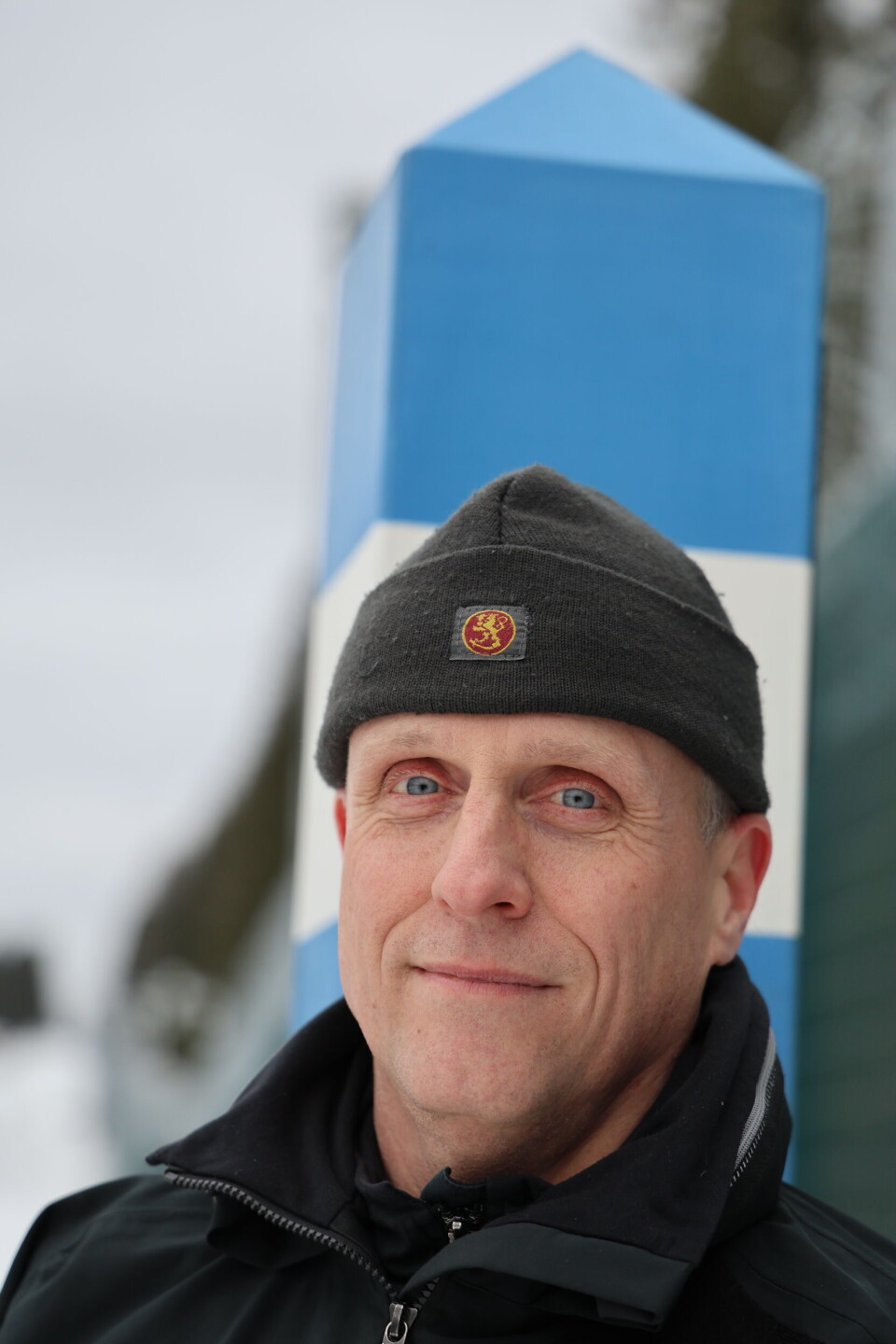

This historical move affects his area of responsibility today, leaving several locally built roads behind, along with railroads and other infrastructure that binds the cross-border region together.
"When we talk about illegal immigration, these old roads make us more vulnerable to this phenomenon. In the northern part of this district, you'd have to walk long distances in rural conditions, hiking in total wilderness," he says.
Historically, such crossings are rare, as Russia enforces a strict border security zone closely monitored by Russian border guards. However, Pitkäniitty reveals that there have been four episodes of people crossing the green border into Finland during 2025. Two of them crossed in the district's rural area.
"We have this kind of phenomenon where we see Russian individuals with military backgrounds trying to flee Russia. They either have been to the war or they could be sent to the war. Those cases are difficult for us. What does a military background give you? The ability to move discreetly and not be noticed, to avoid being seen or heard, and if needed, you know how to defend yourself. With a military background it is possible to cross in the rural areas."
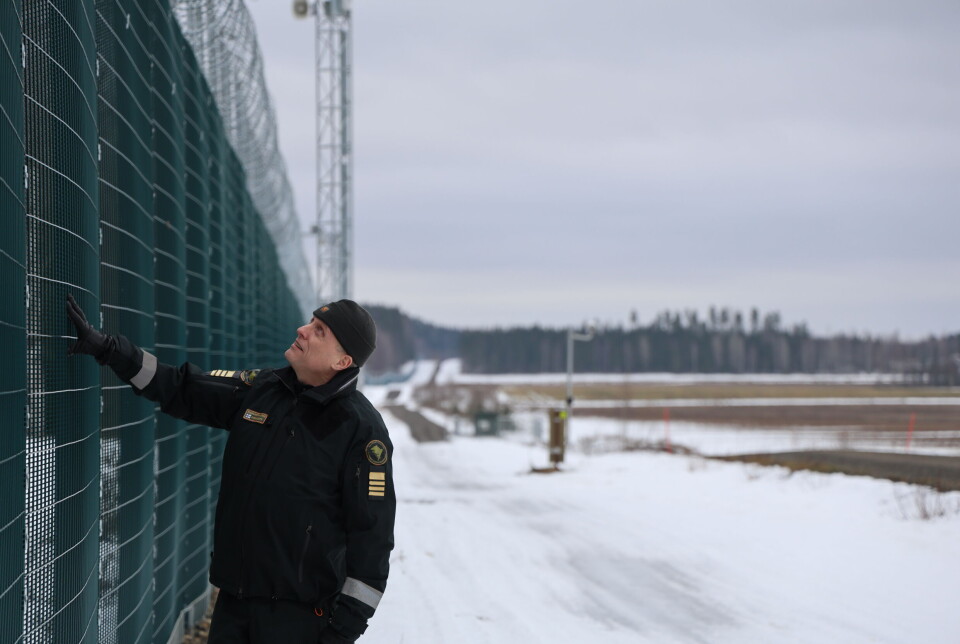
"Doesn't the fence make the route more dangerous than it already is in the rural areas?"
"Yes, it makes the crossing more difficult. However, we hope that the fence will have a preventive effect for those who consider crossing the border illegally and that they are less tempted to cross when the fence is there."
"And in wartime, when more individuals with military experience may try to flee?"
"It is correct that we have seen an increased number of young Russian men crossing the border after Russia began its mobilization, but that was through legal pathways and with a tourist visa into Finland. We are not encouraging anyone to cross the green border illegally. We want to make it as unappealing as possible," Pitkäniitty answers.
Few of the crossings go through the green border. Up until 2023, the vast majority of migrants went through the official border crossing point, Niirala.

"Did migration increase suddenly in 2023?"
"One must acknowledge that Russia and Finland have a long tradition of cooperation. The agreement is that both sides try to maintain good order at the border and operate it so that there are no negative impacts to the other side," he says before elaborating:
"From our perspective, they were slipping from that agreement during the summer of 2023. The numbers began to rise rapidly. At the peak, we got a little under 200 individuals seeking asylum in two days", he says.
Matti Pitkäniitty believes that instrumentalised migration happened as a reaction from their neighbouring country.
"I would trace it back to 2022, when Finland condemned Russia’s full-scale war on Ukraine. Later, Finland and Sweden joined NATO, which is regarded as a red flag for Russia," he explains.
"Prior to this, Finland and other European countries imported goods from Russia, such as oil, gas and electricity. Once Russia attacked Ukraine, those ties were cut. If these connections still would have been there, Russia would most likely have used those instruments to provide negative impacts. Now, this option is out of their toolbox. So what's left? Instrumentalised migration remains as a convenient way to impact your neighbour."
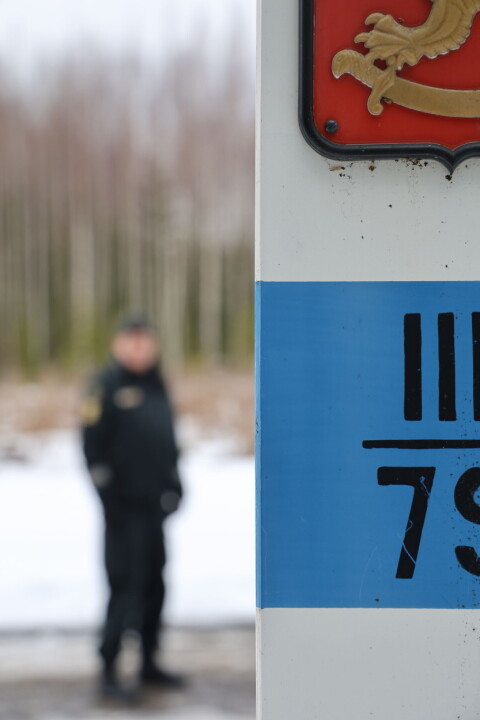
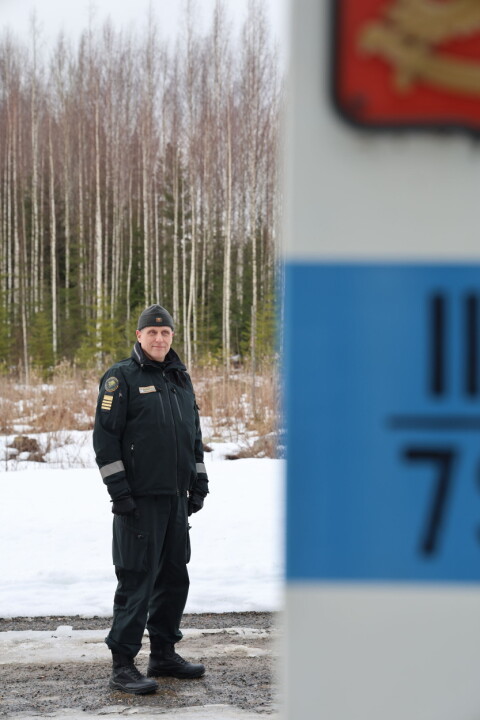
"What is it like to physically stand at the border today, looking at a country that is so close but yet so different?"
"It somewhat worries me, even the fact that the border is closed. Western media reports on Russian information campaigns targeting citizens, shaping perceptions of Europe. When the border was open, it was easy for ordinary Russian people to enter Finland and see for themselves that we are similar, enjoying basic things in life, like family and good food. Now, since the borders are closed, they cannot see this for themselves."
"It's very close to you geographically, but the mentality and the whole information sphere is totally different from the perception that I am getting from my media. We are getting further and further apart all the time. That worries me."
Towards the Baltic Sea
Lastly, or perhaps first, there is the Southeast Finland Border Guard District. Of all the districts patrolling Finland’s eastern border, this one has the highest number of border crossing points. From the border, it is only a two-hour drive to St. Petersburg, which helps explain why road connections become denser the further south you go.
In this district, migration was most concentrated in 2023, making the eastern barrier fence a top priority. Of the 200-kilometre-long fence, 110 kilometres have already been completed within this district.
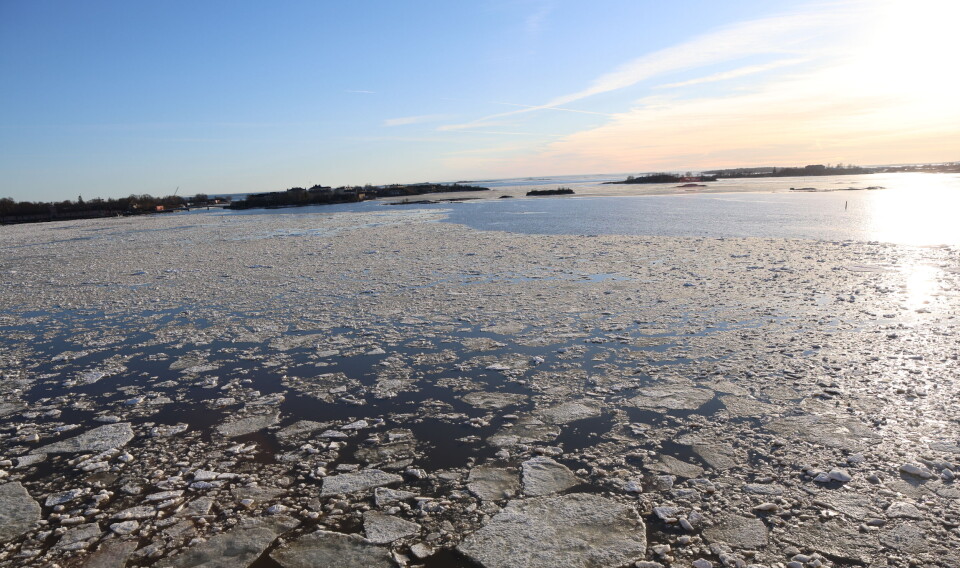
The border here stretches all the way down to the Baltic Sea: