

Severomorsk resident gets 14 years in jail for alleged treason. He opposed the war on Ukraine
The Murmansk Regional Court handed down the sentence to a man from Severomorsk. In the same case, a Ukrainian citizen was sentenced to 12 years in a general-regime penal colony.
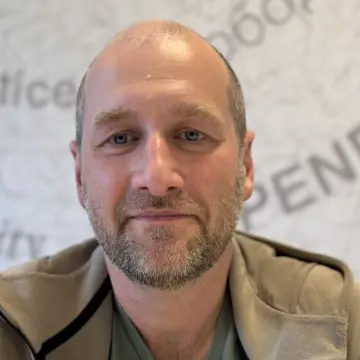
According to a press release issued by the Federal Security Service (FSB) directorate for the Northern Fleet, the man opposed what Russia calls its “special military operation” and allegedly “developed a plan to provide material support to the Armed Forces of Ukraine and its Security Service”. Security services claim he involved a Ukrainian woman living in Moscow, who was able to transfer money to Ukraine via relatives.
Authorities allege that between December 2022 and May 2024, the pair carried out 78 financial transfers. The FSB states that the funds were used to purchase personal protective equipment, specialised gear, weapons and equipment for the Ukrainian armed forces and security services, including drones and vehicles, “necessary to achieve superiority over the Armed Forces of the Russian Federation during the special military operation”.
The statement also says investigators gained access to the defendants’ bank accounts and to their correspondence on messaging apps and social networks.
The man was ultimately sentenced under Article 275 of the Russian Criminal Code (high treason) to 14 years in a strict-regime colony, followed by a 1.5-year restriction of liberty and a fine of 450,000 roubles (around €4,500). The woman was found guilty of aiding and abetting high treason and sentenced to 12 years in a general-regime colony, along with a fine of 400,000 roubles. The verdict has now entered into legal force.
The ruling fits into a broader trend of a sharp rise in criminal cases related to high treason in Russia. According to official judicial statistics from the Judicial Department of the Supreme Court of the Russian Federation, the number of convictions under Article 275 has grown steadily year on year: 16 people were convicted in 2022, rising to 39 in 2023, and reaching 109 guilty verdicts in 2024.
In 2025, 197 men and 22 women were convicted of high treason, including 12 minors aged between 14 and 17.
Human rights lawyers and organisations, including the legal project “First Department”, link this trend to the broadening scope of what is legally defined as “high treason” under Russian law, which now formally includes providing financial or logistical assistance to a foreign state in activities deemed to be directed against Russia’s security.


