
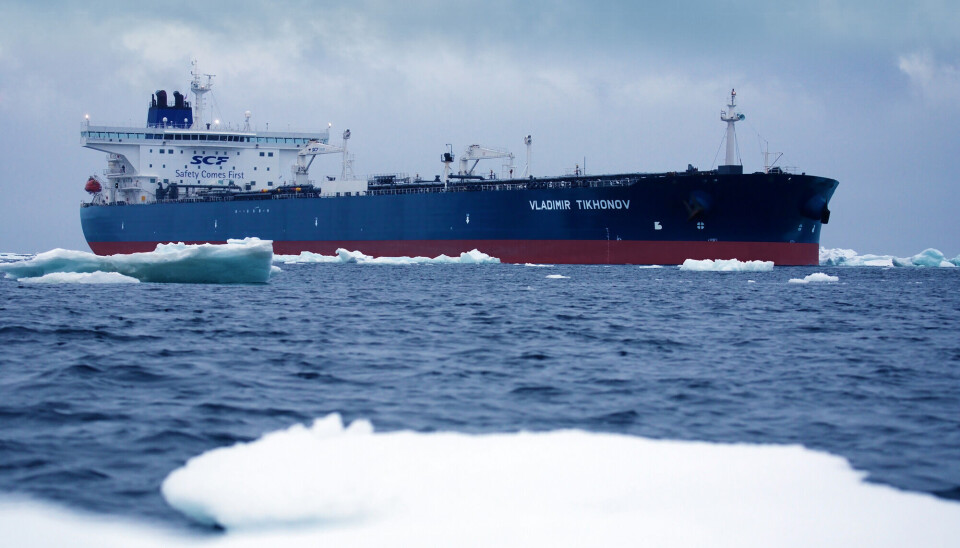
Ukraine war pushes Russian oil to Arctic route
The leader of Gazprom Neft, Russia’s third-biggest oil company, confirms that tankers are being sent to the Northern Sea Route in order to avoid Ukrainian attacks.

"The risk of attacks on Russian oil objects has changed the logic of the industry," Aleksandr Dyukov said during the recent Moscow Energy Week.
The Gazprom Neft leader also said that his company has made significant progress in establishing physical security for its facilities, diversifying supply routes, and developing transport infrastructure, Reuters reported on its Russian-language Telegram channel.
The Northern Sea Route, which links Arctic resources with Asian markets, is of particular importance, Dyukov emphasised.
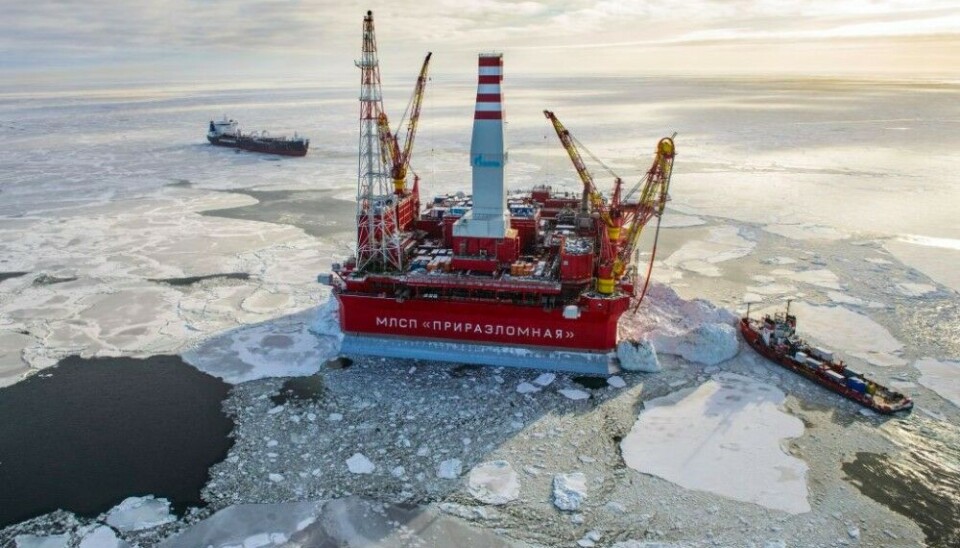
Gazprom Neft was already one of the biggest oil companies in the Arctic. It operates the Prirazlomnaya and Novy Port projects, two of the biggest oil fields in the region. Over many years, Gazprom Neft has developed infrastructure and logistics chains that allow it to export significant volumes.
Gazprom Neft is not the only company sending growing volumes to Asian markets via the Northern Sea Route.
Shipping data show that Russian oil exports shipped on the Arctic route to Asian buyers had reached 20 million tonnes by early October, Reuters reported. That implies a year-on-year increase of about 50 percent.
Although the Arctic waters are in the process of freezing, the shipments continue, and several more million tonnes of oil could be sent along the route before the end of the year.
On 23 October, there were more than 50 ships sailing on the route, of which more than 20 were tankers, ship traffic data show.
Another contribution to the growing Russian oil shipments in the region is Rosneft’s new Vostok Oil project.
The growing oil shipments across the Arctic are bound up with risks.
In early August this year, a convoy of more than 15 vessels, most of them oil tankers, unexpectedly sailed north of the Severnaya Zemlya archipelago in what was the northernmost shipment of a tanker convoy ever recorded. Several of the oil tankers in the convoy did not have sufficient ice-class protection.
"This is extremely risky," a Norwegian expert told the Barents Observer.
The Arctic can experience rapid changes in weather and sea ice conditions. In autumn 2021, more than 20 vessels got stuck as the sea ice froze unexpectedly quickly.
Not only oil is sent along the Arctic route. This year has also seen major growth in other kinds of cargo, including natural gas and containers. Most of the container carriers have shipped between Chinese and northern Russian ports, but some of them have also had destinations in other European ports.
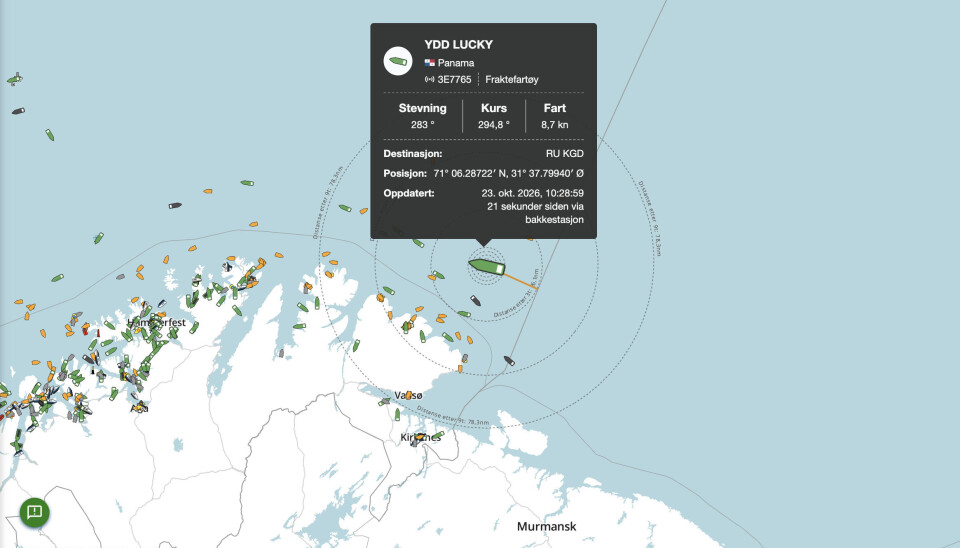
On 23 October, the container carrier Ydd Lucky (IMO: 9890109) crossed the maritime border between Russia and Norway en route from Nanjing, China, to Kaliningrad. The ship, which previously sailed under the name Xin Long Yun 66, in August sailed in the opposite direction en route to South Korea.


