

EU vows to develop Arctic renewable energy, says oil and gas should stay in the ground
The European Union says the Arctic is critical to its future as the climate crisis deepens, the security landscape deteriorates and economic activity expands.
Dubbed Northern Neighbourhood, the EU’s revised Arctic strategy was unveiled on Tuesday. The main headline highlighted by much of the media following the publication of the 22-page document was Brussels’ continued opposition to fossil fuel extraction in the region.
Although the text no longer calls for a legally binding commitment not to drill for oil and gas, or a ban on purchasing fossil fuels extracted from new Arctic fields, the new document maintains the same overall position as the 2021 strategy: oil, gas and coal should stay in the ground.
The EU member states with territory inside the Arctic Circle — Finland and Sweden — have neither oil and gas fields nor coal mines in the region.
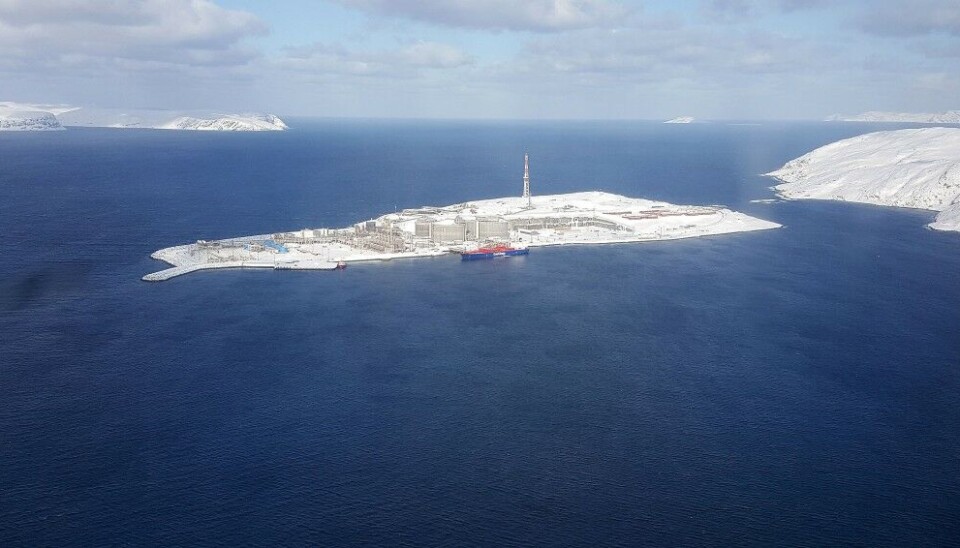
Norway, however, which is not an EU member, is Europe’s largest supplier of natural gas, a role that has grown in importance since Russia’s full-scale invasion of Ukraine in 2022. Ahead of the new EU Arctic strategy, Norway actively lobbied the bloc to weaken or abandon its opposition to new oil and gas drilling in the Arctic.
By January 1, 2027, the EU will also ban import of liquid natural gas (LNG) from Russia.
The EU strategy sets out four main priorities: strengthening security and resilience; responding to climate change in the Arctic; promoting prosperity; and creating opportunities for people and communities across the region.
European Commission President Ursula von der Leyen said the EU, alongside Sweden, Finland and Denmark, was part of the Arctic.
“The Arctic is Europe's Northern Neighbourhood — close, connected and critical to our future. And it is changing. New shipping routes and resources are driving strategic competition. With our new Strategy, we are investing in stronger security, resilient infrastructure and economic opportunities. For the benefit of the people who call the Arctic home, and for our shared space,” von der Leyen said.
The strategy calls for greater investment in the Arctic’s renewable energy resources and sustainable mineral potential. Some of Europe’s largest onshore wind farms are located in Norrbotten, Sweden, and the EU wants to further integrate energy networks across its northern borders by funding new power lines.
“The Arctic is a powerhouse for renewable energy,” the strategy states, highlighting wind power alongside the region’s potential for hydropower, geothermal energy and renewable hydrogen production.

A major change since the EU’s previous Arctic strategy in 2021 has been the sharp deterioration in the security situation following Russia’s illegal full-scale war against Ukraine.
Kaja Kallas, the EU’s High Representative for Foreign Affairs and Security Policy, said the revised Arctic strategy reflected this new reality and placed security firmly at its core.

“To defend our interests, we are stepping up efforts in surveillance, infrastructure, military mobility, and defence technologies that can withstand the harsh climate. Access to Arctic sea lanes and natural resources is of strategic interest to the EU,” Kallas said.
She added: “With Russia and China increasing their footprint and ambition, the Arctic has become a front line of global power competition.”
Close cooperation with NATO is described as “essential to improve Europe’s military mobility in the region”.
To facilitate rapid, large-scale deployment of troops across the Arctic, the EU aims to accelerate the development of east–west transport links. These include rail connections running from Norway’s port of Narvik through Sweden’s Norrbotten region to Finnish Lapland.


