

Norway has no plans to abandon its visa-free agreement with Pechenga, the heavily militarised border municipality
Magnus Mæland, mayor of Sør-Varanger, is urging Oslo to formally terminate the visa-free travel arrangement. The Norwegian government, however, remains reluctant, expressing hope that relations with Russia may improve in the future.
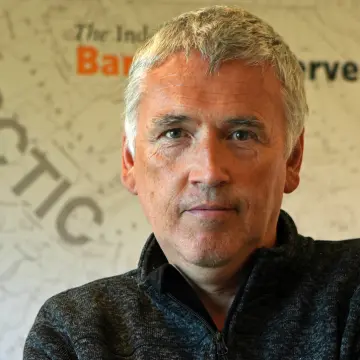
“Our relations with Pechenga and Russia are over. This agreement should come to an end,” said Mæland.
Although residents of neighbouring Pechenga are currently unable to obtain valid border zone permits—due to the temporary closure of Norway’s Consulate General in Murmansk—the formal agreement remains in force.
The bilateral visa-free travel agreement for border residents was signed in 2010 by the two foreign ministers, Sergey Lavrov and Jonas Gahr Støre, and came into effect in May 2012.
At the time, residents of Kirkenes, Nikel and Zapolyarny welcomed the arrangement, which allowed multiple-entry visits within a 30-kilometre zone across the border in each other’s countries, without the need for more time-consuming visa procedures.

Holders of local border traffic permits may stay in the neighbouring country’s border area for up to 15 days per visit without requiring a visa.
On the Norwegian side, the zone covers most of Sør-Varanger municipality, extending all the way to the Finnish border.
Approximately 30,000 people on the Russian side are included in the visa-free scheme. Thousands of them are military personnel and their families. The Barents Observer has previously reported that many have taken part in Russia’s illegal and bloody war against Ukraine. Some are on Kyiv’s wanted list for alleged serious crimes against Ukrainian civilians.
Pechenga is home to the 71st Guards Motorised Rifle Division and the 61st Naval Infantry Brigade, both of which are currently engaged in the war in Ukraine. The first soldiers from the area were deployed to eastern Ukraine as early as 2014.
The times might change
As Russia continues to launch large-scale strikes on Ukrainian cities this spring, the Norwegian government remains hesitant to terminate the visa-free agreement with its neighbouring military stronghold.
“Our relationship with Russia has changed before and will change again,” said State Secretary Eivind Vad Petersson in a statement to the Barents Observer. “Hopefully, we will get there one day. It is not primarily up to us—it is up to Russia.”
The State Secretary was in Kirkenes to mark the 200th anniversary of the Norway–Russia state border.

He made clear that the visa-free agreement with Russia will continue, at least on paper.
You don't see any moral aspects of having a formal visa-free agreement with a municipality that is home to war criminals?
“No new local border permits can be issued, as the Consulate General is temporarily closed. That is currently how we intend to manage the situation,” he said.
In a public address in Kirkenes, Petersson strongly condemned Russia’s illegal war against Ukraine.
According to border control police, 166 crossings by individuals holding local border permits were recorded in March—all of them Norwegian citizens.


