
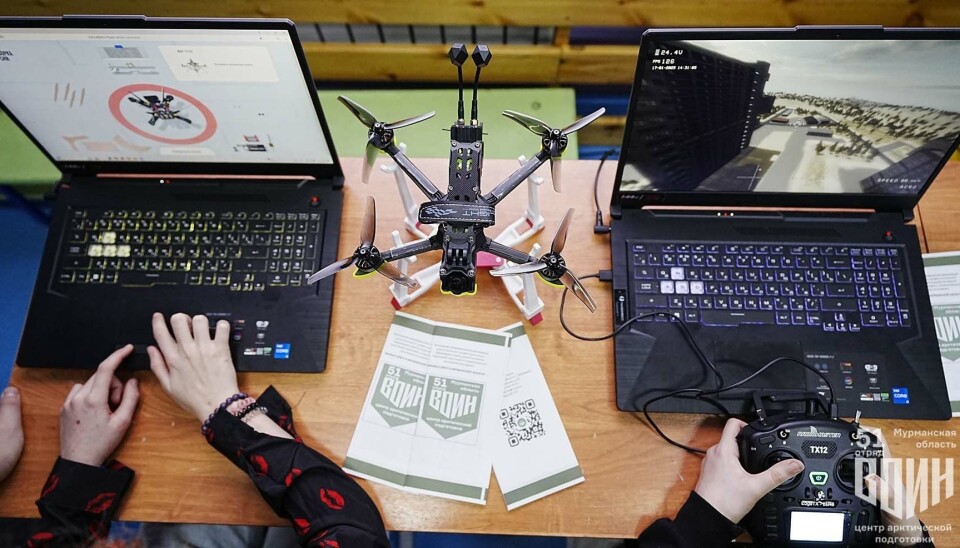
Now on the Murmansk school curriculum: learning to kill with a drone
School teachers in the far northern Russian region are getting ready to provide kids with training in drone warfare.


This month, the regional Ministry of Education organised courses for teachers on drone operation, according to the Russian edition of the Barents Observer. The training was conducted in cooperation with VOIN, a military youth organisation, and took place at the Governor’s Lyceum, a school established by regional Governor Andrei Chibis.
Instructors from the 61st Naval Infantry Brigade, a highly trained unit based just a few kilometres from the Norwegian and Finnish borders, led the sessions. Hundreds of marines from the brigade are currently deployed in occupied Ukrainian territory, primarily in the southern Kherson region.
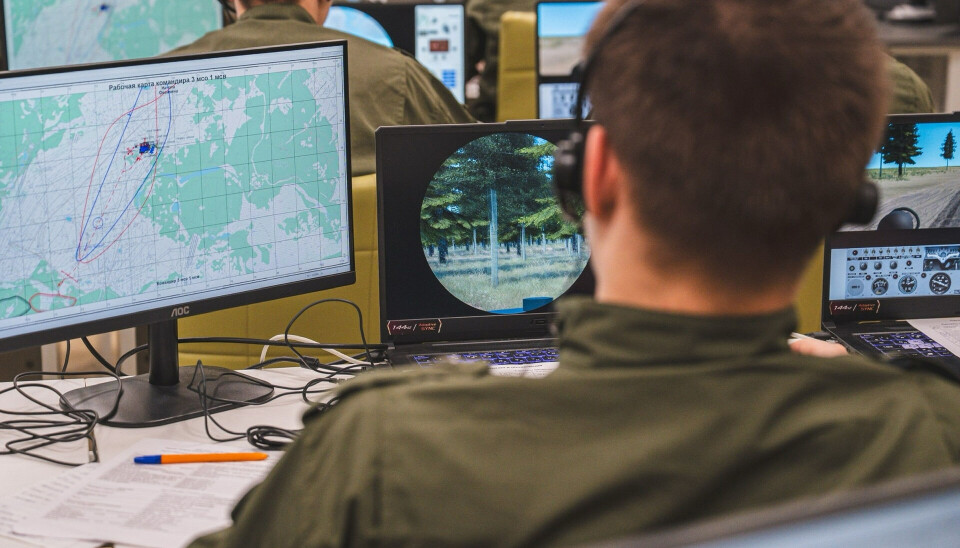
During the training, teachers learned about the structure of unmanned aerial vehicles (UAVs) and acquired skills in repair and maintenance, the Ministry of Education reported. The practical component included map reading, simulator flights, and hands-on drone operation.
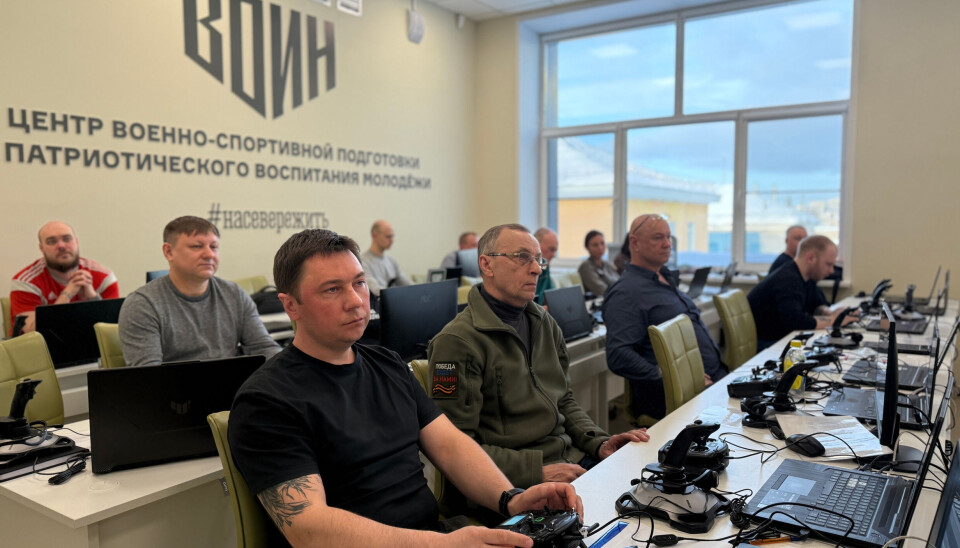
Over 20 teachers from 14 municipalities across the region participated.
Drone warfare is now being integrated into school curricula across Russia, supported by the Kremlin’s "Unmanned Aerial Systems" national project. In the Kola Peninsula, there are 21 local UAV centres collaborating with schools and youth organisations. One such centre is located in the Pechenga region, a border municipality adjacent to Norway and Finland. Another is in Zaozersk, a naval town housing a nuclear submarine base.
Yevgeniya Frolova, a teacher at School No. 289 in Zaozersk, was among the participants in the recent drone course. Photographs published on the municipality’s social media show her repairing an FPV drone.
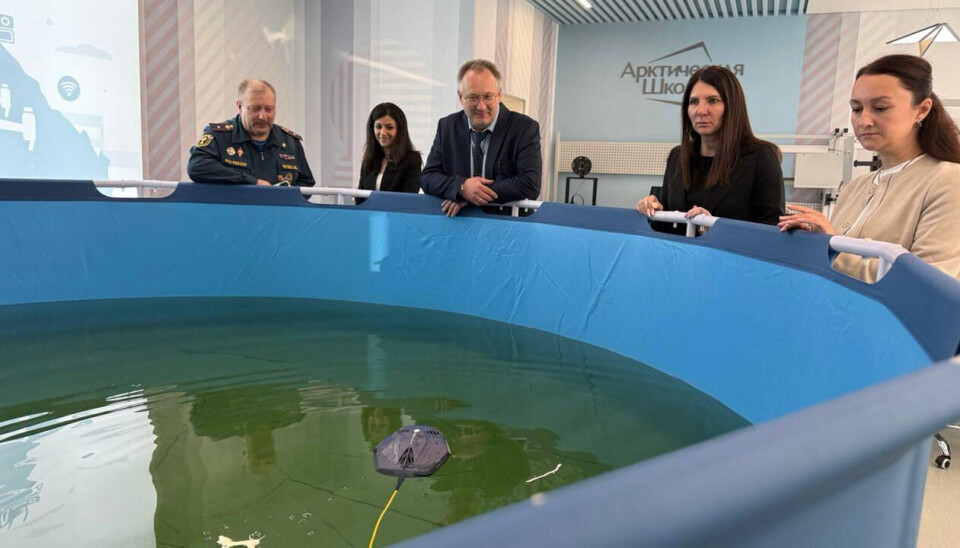
In addition to UAVs, schools in the Murmansk region are also training students to operate unmanned underwater vehicles (UUVs). The Severomorsk Cadet School, for example, has established a special pool for practical UUV training. Severomorsk is home to the headquarters of Russia’s Northern Fleet.
The push to train teenagers to operate drones coincides with nationwide efforts to recruit students into Russia’s drone forces. Students are offered one-year contracts with the Ministry of Defence, with the option not to renew upon completion. However, critics argue this is misleading: contracts with the Ministry of Defence have no fixed expiry date, effectively binding individuals to indefinite military service and preventing them from returning to civilian life or their studies.
Against this backdrop, teaching schoolchildren to operate drones may be part of the Russian state’s long-term strategy: cultivating a future generation of combat drone operators from a young age, according to the Russian edition of the Barents Observer.


