
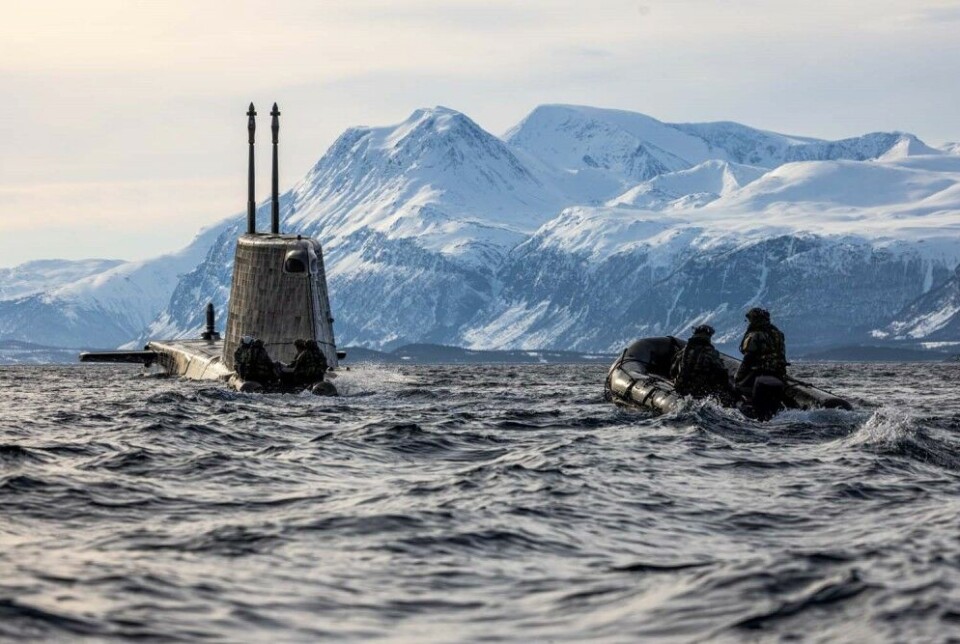
UK and Norway team up to hunt Russian submarines and undersea sabotage
New frigates, joint P-8 maritime aircraft patrols and more frequent anti-sabotage elite training were on the table when Norway and the UK on Thursday signed a first-of-its-kind defence agreement that will let the two navies operate side by side in the North Atlantic.
The partnership is designed to protect undersea oil and gas pipelines, as well as cables for data traffic.
Both navies will operate as one – sharing maintenance facilities, technology and equipment to create truly interchangeable forces able to deploy rapidly wherever needed, the British Ministry of Defence said in a press release.
This is the most comprehensive defence agreement in modern times, the Norwegian Ministry of Defence added as the deal was signed by Defence Secretary John Healey and his Norwegian counterpart Tore O. Sandvik at 10 Downing Street on December 4.
"The British presence in the High North plays a crucial role in safeguarding Norwegian and European security," Prime Minister Jonas Gahr Støre said after he met his British colleague Keir Starmer in London.
The two prime ministers then flew north to the Royal Airforce base Lossiemouth in Moray, Scotland. It is from here British P-8 maritime patrol aircraft are operating when flying missions over the North Sea or further north over the Norwegian and Barents Seas.
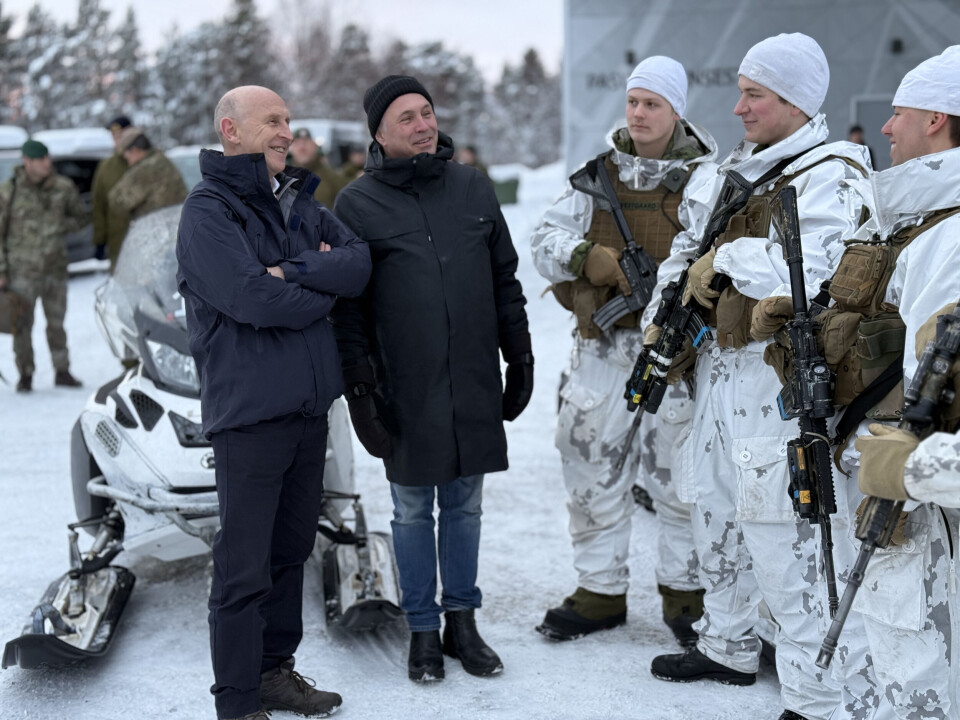
Throughout 2025, London and Oslo have teamed up more closely in many fields of security cooperation. In February, Secretary Healey and Minister Sandvik drove snowmobile along the border with the Kola Peninsula, Russia's military bastion in the north. The day after, visiting Bodø in northern Norway, the two announced their intention to sign a more comprehensive agreement on cooperation to counter Russian undersea threats.
It is this agreement that was now signed by the two top military leaders.
"In this new era of threat and with increasing Russian activity in the North Atlantic, our strength comes from hard power and strong alliances. When our critical infrastructure and waters are threatened, we step up," John Healey said.
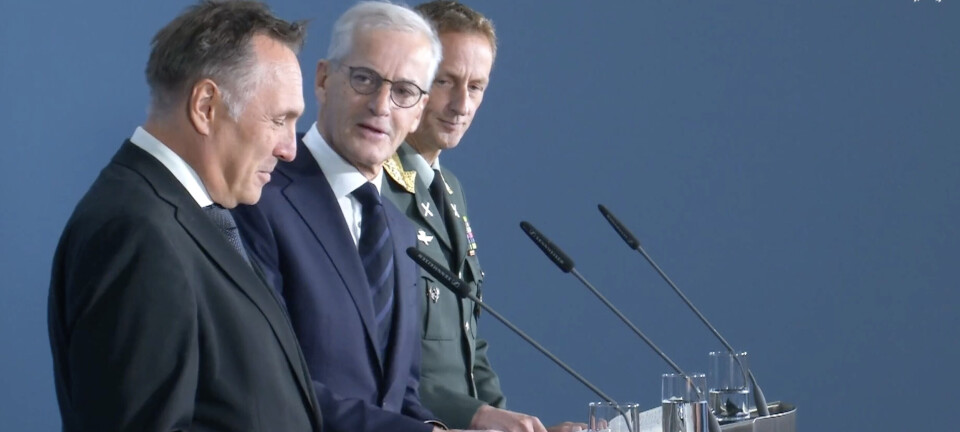
He added: "We will patrol the North Atlantic as one, train together in the Arctic, and develop the advanced equipment that will keep our citizens safe now and into the future. We are stepping up on European security and delivering on our NATO-first plan."
The Barents Observer has for years put focus on Russia's fleet of special surface vessels and deep diving mini-submarines capable of conducting work on the seabed. The Defence Ministry's so-called Main Directorate for Deep Sea Research (nick-named GUGI) operates out of Olenya Bay on the Kola Peninsula and from St. Petersburg.
Russian ships capable of conducting advanced underwater operations have increased their sailing in waters near the UK and Norway after the full-scale war on Ukraine started in 2022. A web of gas pipelines crosses the North Sea from British and Norwegian petroleum installations to continental Europe.
Hybrid warfare conducted by non-state actors and countries like Russia is today high on agendas among European allies fearing attacks against critical infrastructure amid higher tensions as Moscow's war against Ukraine soon enters its twelfth year.
The bilateral defence agreement also includes:
UK joining a Norwegian programme to develop motherships for uncrewed mine hunting and undersea warfare systems.
Year-round training of Royal Marines in Norway, preparing them to fight in sub-zero conditions.
Royal Navy adopting advanced Norwegian naval strike missiles.
Deeper collaboration on Sting Ray torpedoes, helping to boost munitions stockpiles.
Joint wargaming between our Armed Forces.
UK and Norway leading NATO’s adoption of autonomous systems in the High North.


