
Not all eyes are on the Middle East
On Tuesday, three NATO surveillance aircraft operated simultaneously near Russia’s northern borders as the ballistic missile submarine Knyaz Vladimir departed from the Kola Peninsula for patrol.

While global attention remains fixed on the war in the Middle East, NATO continues to closely monitor Russia’s military activity in the High North.
Surveillance flights near Russian airspace inside the Arctic Circle have become routine since 2022. However, three aircraft operating at the same time near the Kola Peninsula and the Republic of Karelia is unusual.
Swedish and British aircraft over Lapland
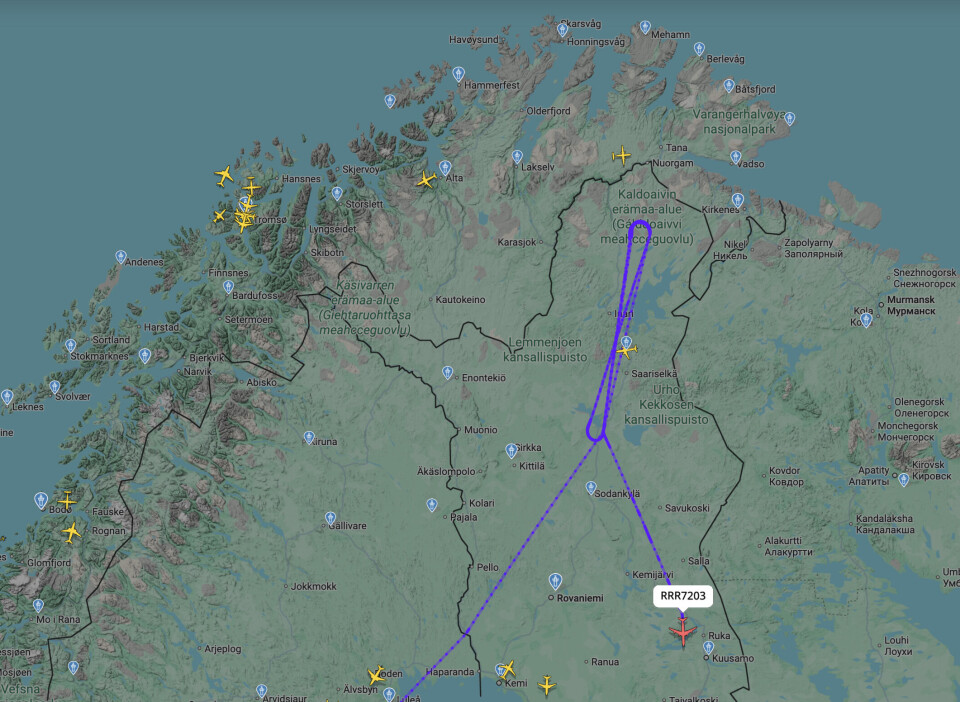
On March 3, a Swedish Air Force Gulfstream IV (Korpen) flew along Finland’s border with Russia, traveling north from southern Lapland to Lake Inari. The aircraft circled twice over the area before returning south along the same route.
Shortly afterward, a British RC-135W Rivet Joint took over the mission, flying similar patterns over northern Lapland after transiting through Denmark and Sweden. The Rivet Joint is a dedicated electronic surveillance platform used for strategic and tactical intelligence gathering. From international airspace, it can monitor signals from the Kola Peninsula without entering Russian airspace.
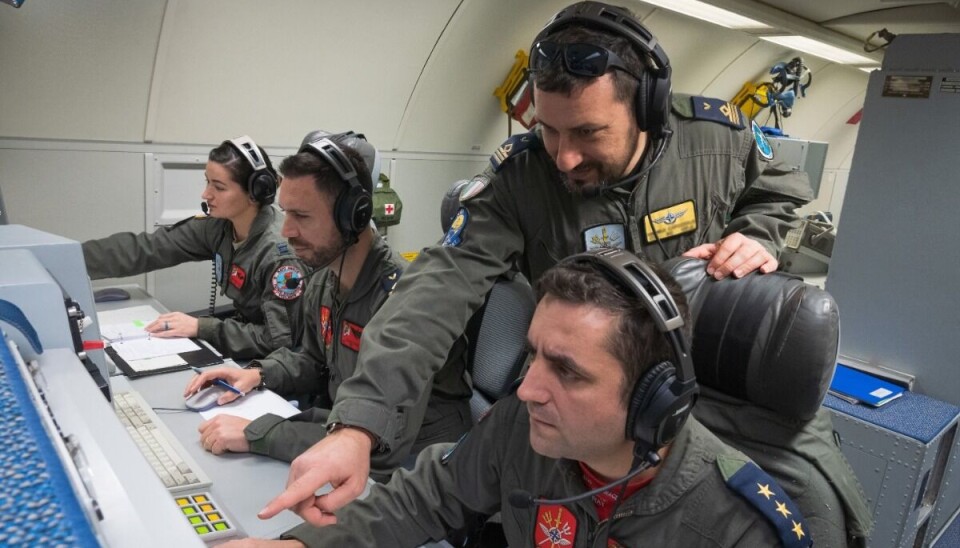
Also operating over Finland that day was a NATO Boeing E-3A AWACS, which flew north from Geilenkirchen, Germany. The aircraft remained airborne over Finland for several hours and conducted mid-air refuelling with a Dutch Air Force tanker.
All three aircraft operated with their transponders switched on, signalling transparency in the airspace.
Focus on Russia’s Northern Fleet
Russia’s Murmansk region hosts long-range bombers and key assets of the Northern Fleet, including nuclear-armed submarines.
In a rare public statement, the Northern Fleet announced on Monday that one of its ballistic missile submarines would deploy for patrol. Journalists from the fleet’s newspaper Na strazhe Zapolyarya were invited aboard as the crew prepared the Knyaz Vladimir for departure.
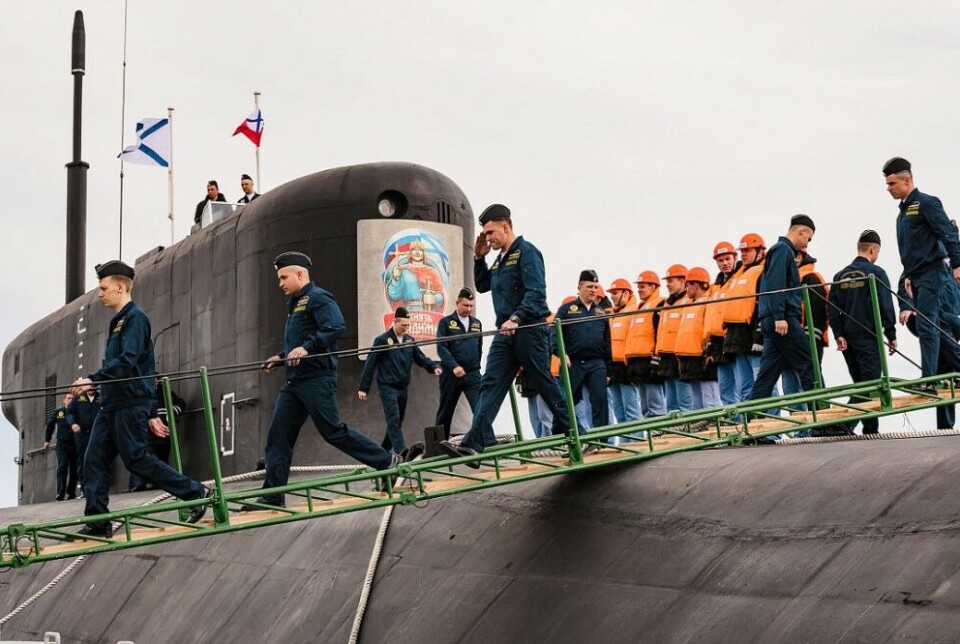
The Borei-A class submarine carries 16 Bulava ballistic missiles, each capable of delivering multiple nuclear warheads. These strategic submarines typically patrol the northeastern Barents Sea and operate under the Arctic ice cap for several months at a time.
Collection of electronic intelligence in the region provides NATO with insight into Russia’s Arctic strategic military movements, including submarine movements and potential nuclear deployments.
Military signalling ahead of NATO exercise
In recent weeks, Russia has conducted several military drills near its maritime border with Norway. These have included live-fire naval exercises and sorties by long-range bombers and fighter jets outside Norwegian airspace north of Finnmark.
Such military signalling is not unusual ahead of NATO exercises in northern Norway.
Beginning March 9, the Norwegian-led military winter exercise Cold Response will bring together troops from 14 NATO countries. The exercise will be NATO’s largest within the Arctic Circle in 2026 and will take place across northern Norway and Finnish Lapland — on land, at sea, and in the air.
NATO has emphasized that Cold Response “is not linked to Russia’s unprovoked and unjustified invasion of Ukraine.” No part of the exercise will take place near the border with Russia’s military stronghold on the Kola Peninsula.


