
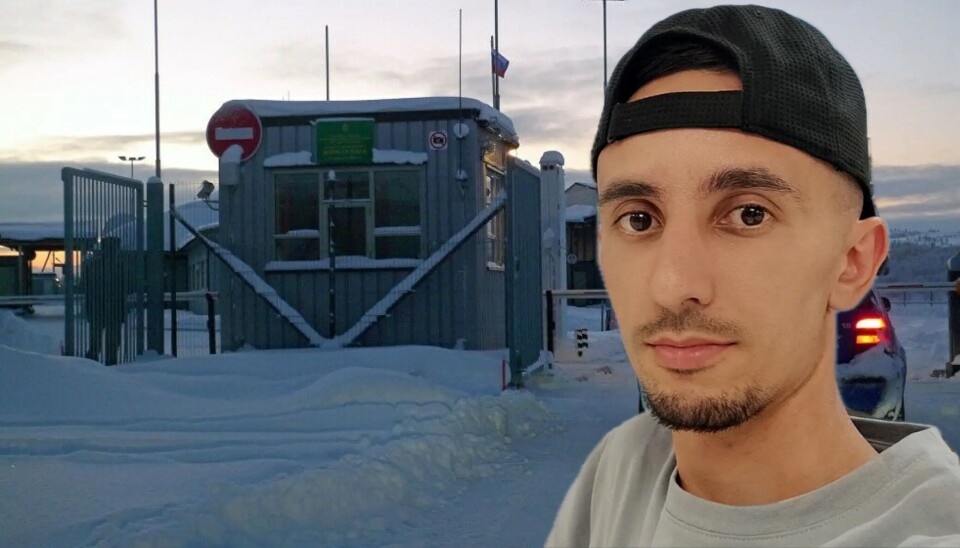
Semyon Kravchenko says he was beaten at the Russian border - and later sentenced to 14 years
Semen Kravchenko was travelling into Russia at the Borisoglebsk checkpoint on the border from Norway when he was taken aside, punched in the stomach and struck on the head by FSB officers.
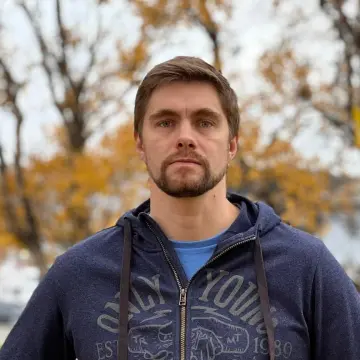
Semyon Kravchenko, 37, was born in the village of Stroitel in Russia’s Arkhangelsk region. For many years, however, he lived in Ukraine. He survived Russian shelling, moved across Europe, ended up in Norway, and eventually decided to return to Russia to visit relatives. Instead, he says, he was beaten by security officers at the border and later sentenced to 14 years in a penal colony on charges of treason.
His story was published on 24 February 2026 by the human rights group Support for Prisoners, according to Memorial, which has recognised him as a political prisoner.
From Ukraine to Norway — and back to Russia
Kravchenko moved to Ukraine in 2008 and lived in the Sumy region. According to a letter he later wrote from detention, he came under fire on the first day of Russia’s full-scale invasion: soldiers allegedly shot at the car he was using to flee his village.
He remained in Ukraine for some time before relocating to Slovakia and later to Norway, where his young daughter was living.
In November 2024, after persuasion from his sister — who lives in Russian-occupied Sevastopol — Kravchenko decided to travel to Russia.
Detention at the border
He crossed through the Borisoglebsk checkpoint, the only land border crossing between Norway and Russia. Border guards reportedly became suspicious because he held Ukrainian permanent residence, had no Russian registration, and had refugee status in Norway.
Officers from Russia’s Federal Security Service (FSB) were called in for what authorities describe as “filtration measures.”
In his letter, Kravchenko writes that an FSB officer demanded access to his phone. In the Telegram app, the officer found a photograph of his bombed village that had been shared on social media, accompanied by anti-Russian comments from neighbours.
According to Kravchenko, this angered the officer. He says he was taken to a room without cameras, punched in the stomach, struck on the head, and pressured to record statements expressing support for Russia. He also describes being insulted and humiliated.
Bank transfers and criminal charges
FSB officers then demanded access to his Ukrainian banking app. Kravchenko says he had previously given his bank card to a friend at the start of the war and that this friend managed the account. He claims he warned officers that transfers may have been made without his direct involvement.
Investigators later alleged that 13 transfers were made from the account to support the Armed Forces of Ukraine and the Azov Battalion, which is designated a terrorist organisation in Russia. The total amount was reportedly about 5,000 roubles (roughly €50).
Kravchenko says he did not see the alleged evidence himself. He immediately requested a lawyer but claims he was told legal assistance would be provided later.
He was then taken to the town of Nikel in the Murmansk region. There, he says, around ten FSB officers assaulted and threatened him, including threats against his family.
There, about ten FSB officers pounced on me. They yelled, slapped me, and humiliated me. They said all my relatives would be fired from their jobs. They would rape me. They would hand me over to the military to be torn apart, to clear mines from fields, and many other terrible things."
– said Semyon Kravchenko.
According to his account, the officers offered him a deal: if he admitted guilt, he would receive only a 15,000-rouble fine. He agreed.
Instead, he was charged with treason and helping terrorist activities.
14-year sentence
Despite the relatively small total sum of the alleged transfers, Kravchenko was sentenced to 14 years in a penal colony.
He filed complaints with the Murmansk regional prosecutor’s office regarding the alleged beatings. Authorities responded that no violations had been found.
When the Barents Observer contacted the press service of the FSB in Murmansk for comments about the alleged abuse at the Borisoglebsk checkpoint, the call was reportedly disconnected and subsequent calls went unanswered.

Political prisoner
The human rights group Memorial has declared Kravchenko a political prisoner.
According to research cited by legal analysts from the organisation First Department, prosecutions for “treason” and “espionage” have expanded significantly in Russia since the start of the full-scale invasion of Ukraine, including cases against Russian citizens living abroad.
Borisoglebsk is the northernmost land checkpoint between Russia and the Schengen area and continues to be open for international travel, with approximately 4,000 crossings per month.
Kravchenko maintains that he did not knowingly finance the Ukrainian military and that his confession was obtained under pressure.
The Norwegian Police who are in charge of the Storskog checkpoint tell the Barents Observer that they can't comment on allegations that FSB personnel have beaten a traveller since it happened on the Russian side of the border.


