
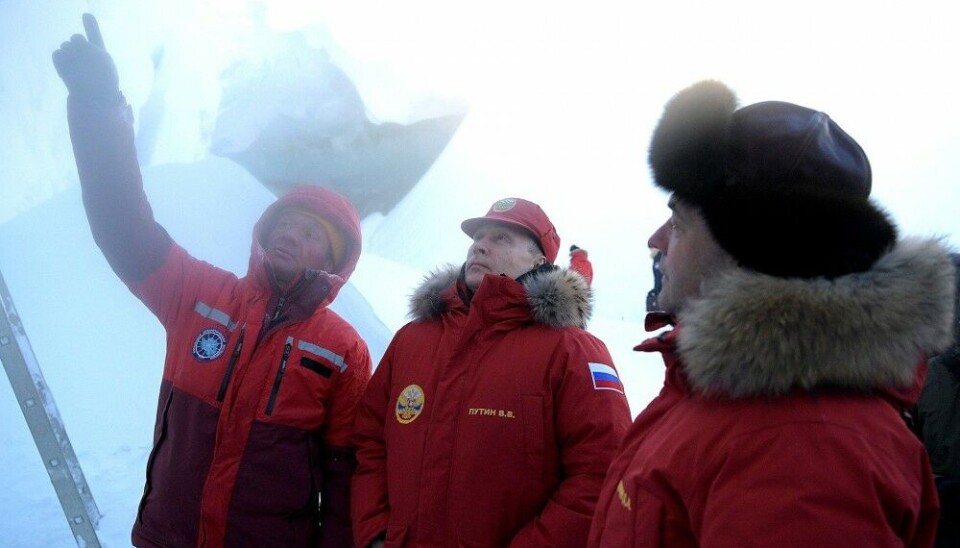
Putin in the Arctic
Frozen out
Following the introduction of new American and European sanctions, all of Putin’s grand Arctic projects are being subjected to an international ban.
“It is becoming increasingly difficult for Putin to finance his war. Every euro we deny Russia is one it cannot spend on war. The 19th package will not be the last,” said Kaja Kallas, the EU’s foreign affairs chief, as the European Union adopted a new round of sweeping sanctions on October 23.
The 19th EU package came only a day after the US announced wide-ranging restrictions on the Russian energy sector, and about one week after the UK’s latest sanctions package.
“Today’s actions increase pressure on Russia’s energy sector and degrade the Kremlin’s ability to raise revenue for its war machine and support its weakened economy,” the US Treasury reported on October 22.
The key target in the new sanctions is Putin’s oil and gas industry and first of all Rosneft and Lukoil. The two companies are Russia’s biggest oil producers and major contributors to the war of aggression.
They both make a major share of their money in the Arctic. And both are key players in Putin’s grand plan for the region.
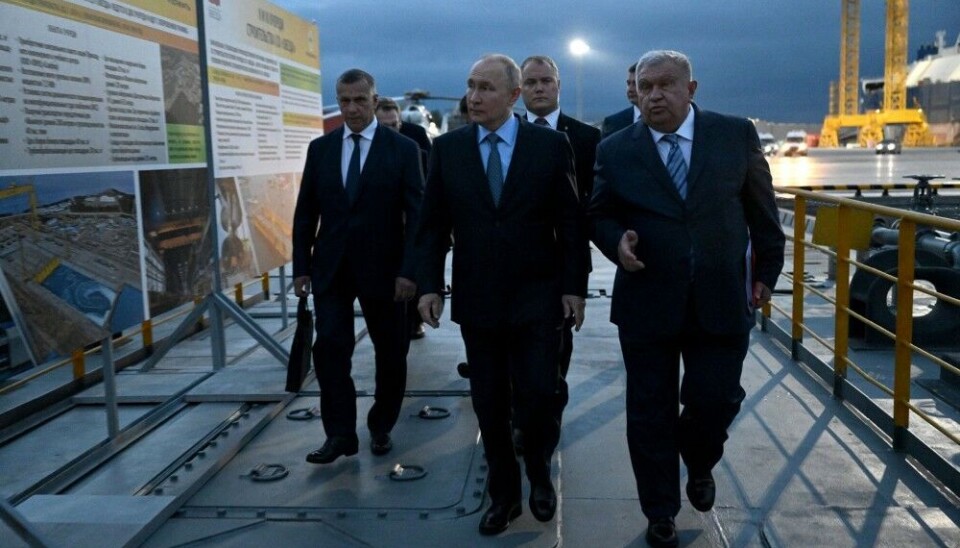
The Russian dictator has over the past decade prepared the ground for an unprecedented industrial expansion into the most pristine parts of the Arctic and given carte blanche to his extractive petroleum and mining industries. The new Arctic projects are part of the plan to boost shipments on the Northern Sea Route.
The sanctions are a big blow to both Rosneft and Lukoil. But not only the two major oil producers are affected. All the large industrial projects currently in the making along Russia’s Arctic coast are now being subjected to sanctions.
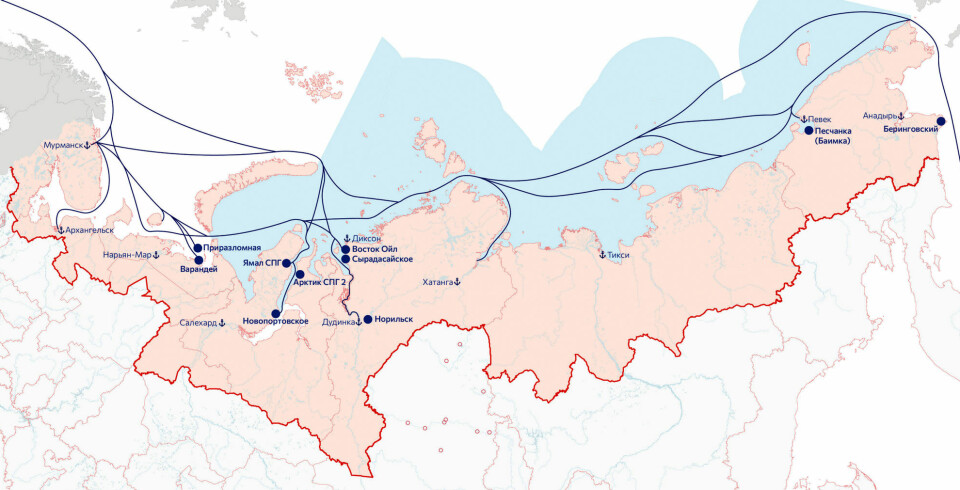
Among the biggest developers in the region is Vostok Oil, Rosneft’s oil project that is said to become the biggest ever in the Arctic. Several oil fields in the Taymyr Peninsula are to be developed and connected with a 700-kilometres-long pipeline that leads to a new oil terminal on the coast of the Yenisey Bay. Satellite pictures show that the construction of the pipeline and the terminal is making progress.
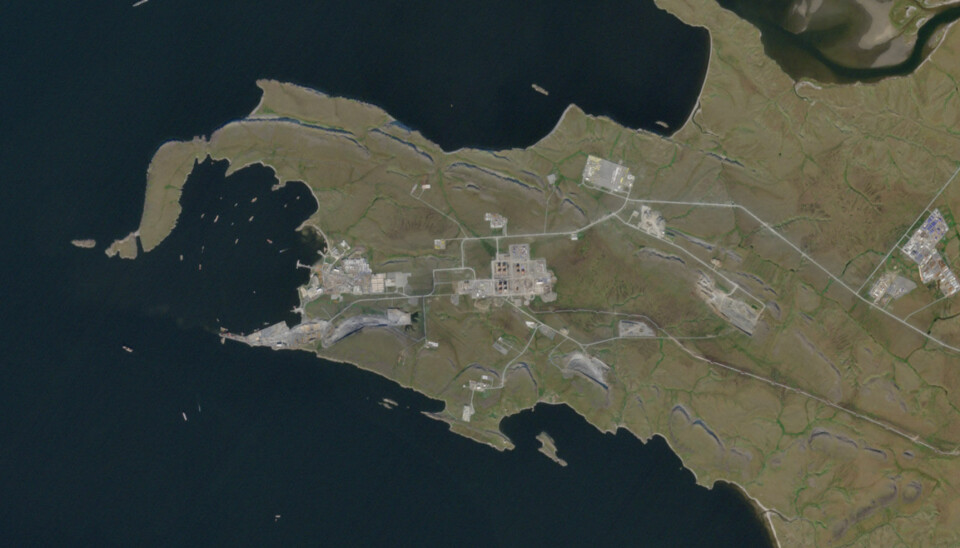
Rosneft and its subsidiary companies are now on the sanctions lists of the USA, UK, Canada, Australia, and several other countries. It is not yet sanctioned by the EU, but Brussels tightened an existing transaction ban on the oil producer as part of its 19th package.
Lukoil has a key part of its Arctic operations in the Nenets region. Millions of tons of oil are annually shipped out from the Varandey terminal and sent to Murmansk from it is reloaded for export.
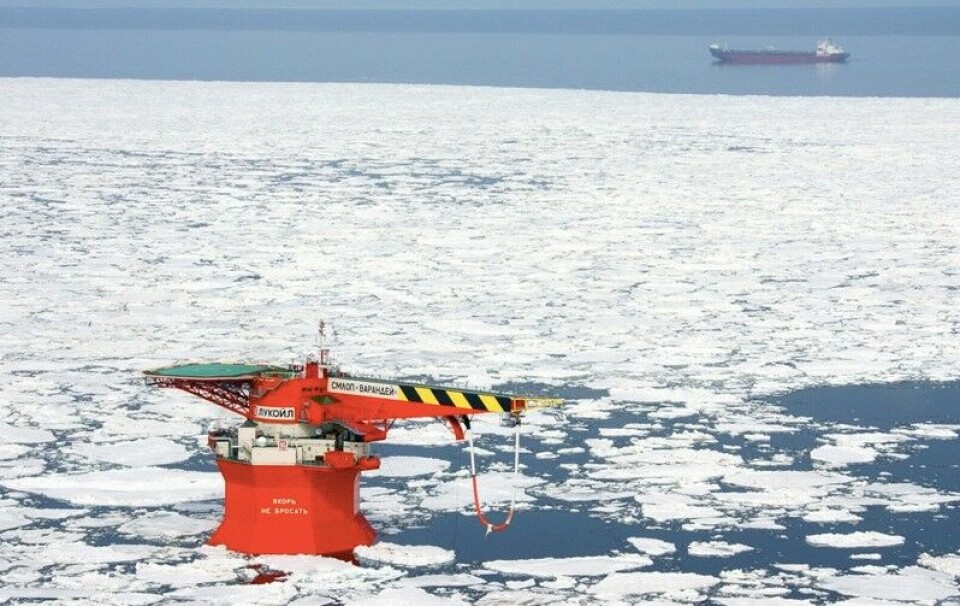
Lukoil and its Arctic operations are now sanctioned by the USA, UK, Canada, Australia, and several more countries. The company is not yet sanctioned by the EU.
Novatek has successfully produced liquified natural gas at its Yamal LNG plant in Sabetta since late 2017. But the company’s development of the Arctic LNG 2 has been far more complicated. The project that is being developed on the Gydan Peninsula was designed for an annual production of almost 20 million tons of LNG. However, international sanctions have forced Novatek to put parts of the project on hold. Nevertheless, thanks to Chinese partners, Novatek manages to keep the plant running and several shipments of LNG have been made from the area.
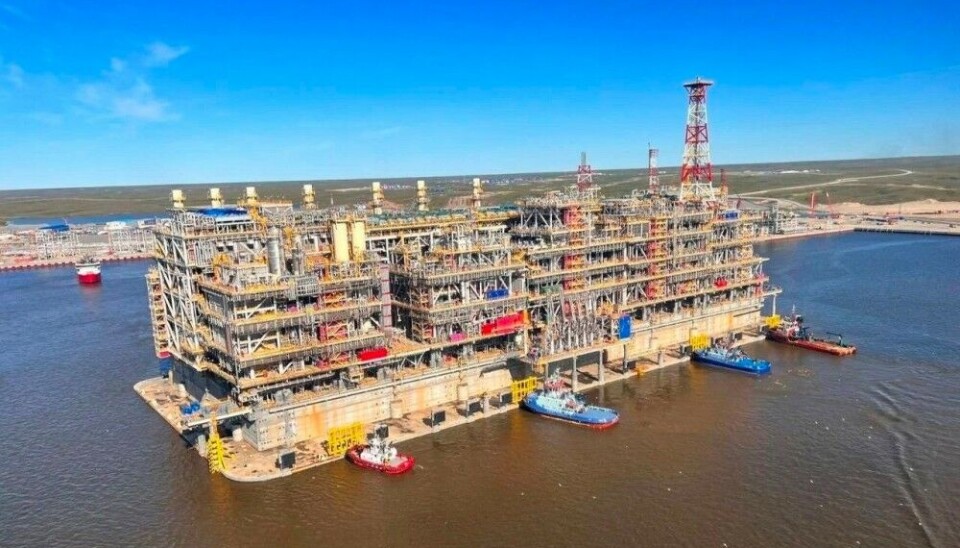
The Arctic LNG 2 is sanctioned by the US and UK, but not by the EU. The mother company Novatek is sanctioned only by Ukraine.
Gazprom Neft is the oil branch of the natural gas company Gazprom. It operates Russia’s only offshore oil platform in the Arctic, the Prirazlomnaya, and also runs the Novy Port project in the Gulf of Ob. The company is also in the process of developing several more Arctic oil projects, among them the Kamennomysskoye-More.
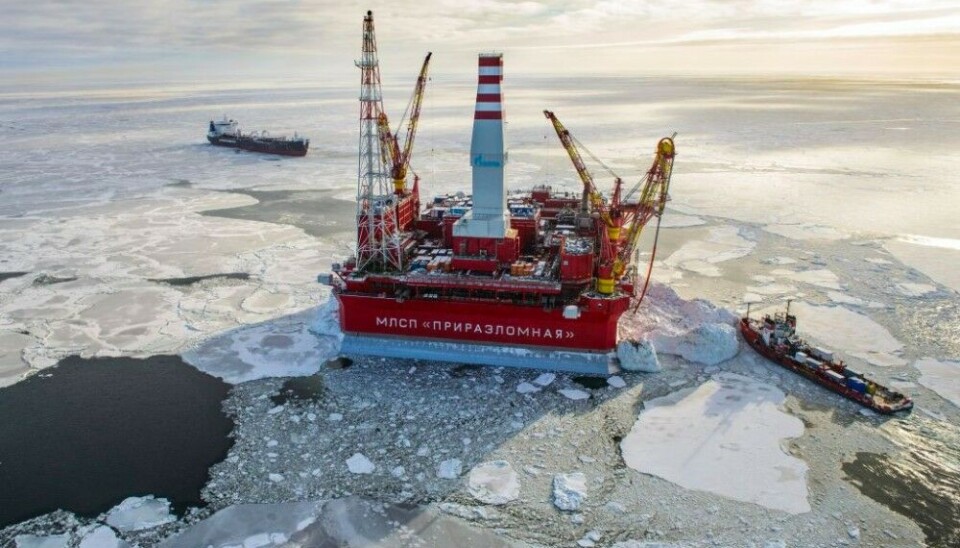
Gazprom Neft and most of its subsidiaries are sanctioned by the EU, USA, UK, Canada, and several other countries.
The coal company Severnaya Zvezda is planning a major mine in the Taymyr Peninsula. The Syradasayskoye mine would have the capacity to produce several million tons of coal per year. Severnaya Zvezda is a subsidiary unit of Arctic Energy, a company owned by tycoon Roman Trotsenko. Sanctions and logistical problems appear to have halted progress in the project.
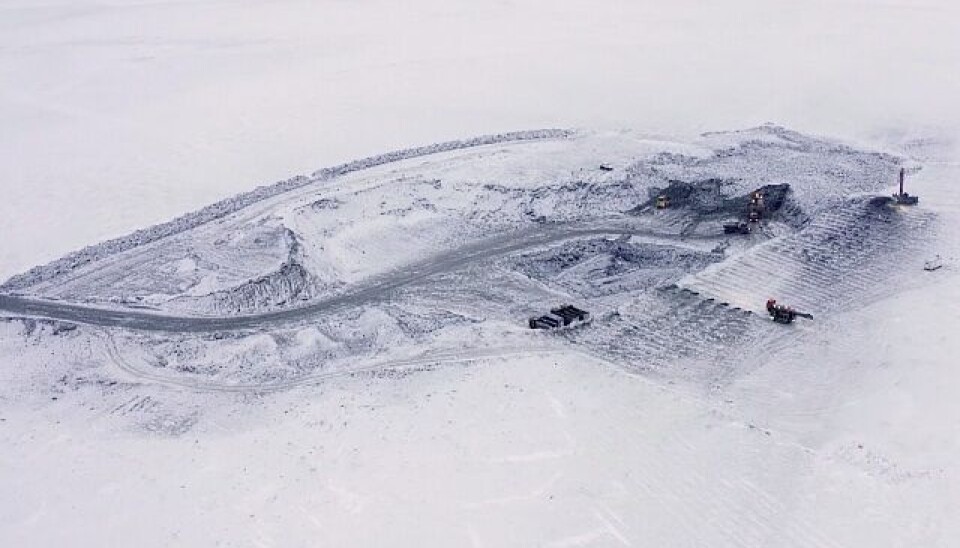
The coal company is on the sanctions list of the US.
The Baimskaya Mining and Metallurgical Company is in the process of developing several mines on the Chukotka Peninsula. The Peschanka project includes extraction of up to 70 million tons of ore with high concentrations of copper, gold and silver. Four small-scale nuclear power stations are planned to be built to provide the necessary energy.
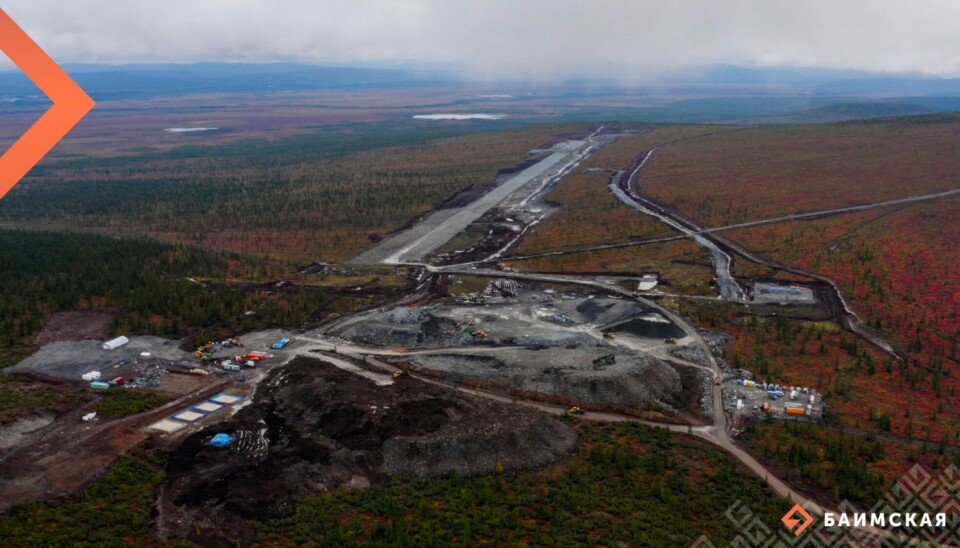
The Baimskaya company is sanctioned by the US and Ukraine.
In addition to sanctions against the extractive companies in the region come sanctions against many of the companies and individuals that are involved in transportation of sanctioned goods. Atomflot, the operator of Russia’s nuclear-powered icebreaker, is sanctioned by the EU, UK, Japan, Canada and several other countries. Russia’s biggest shipping company, Sovcomflot, is sanctioned by the EU, UK, Canada, Australia, and more.
The same goes for a significant number of ships and ship operators that assist Russia with transportation of sanctioned goods. The EU alone has put more than 550 so-called 'shadow fleet' vessels on its sanctions list. Also the US and the UK have adopted massive sanctions against shadow vessels.


